Ethereal, ephemeral, poetic, pure, dark, sticky, aggressive, fierce, unpredictable, rough, in other words, alive.
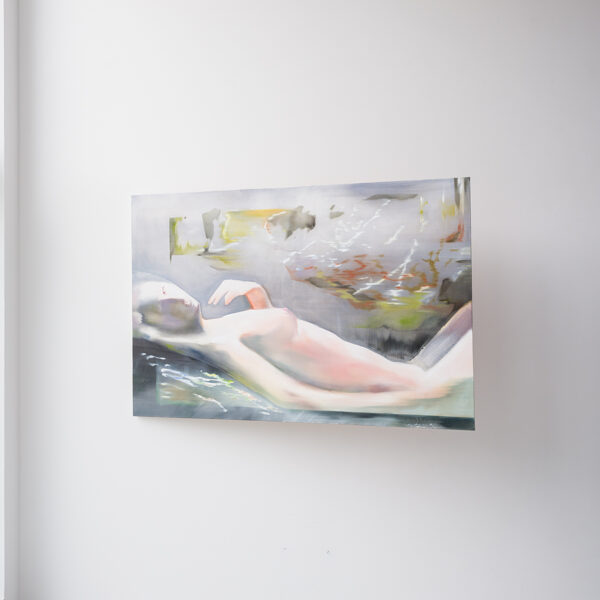
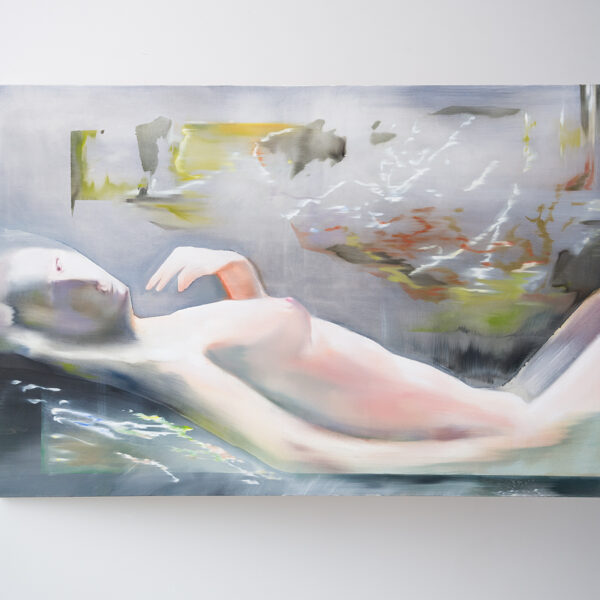
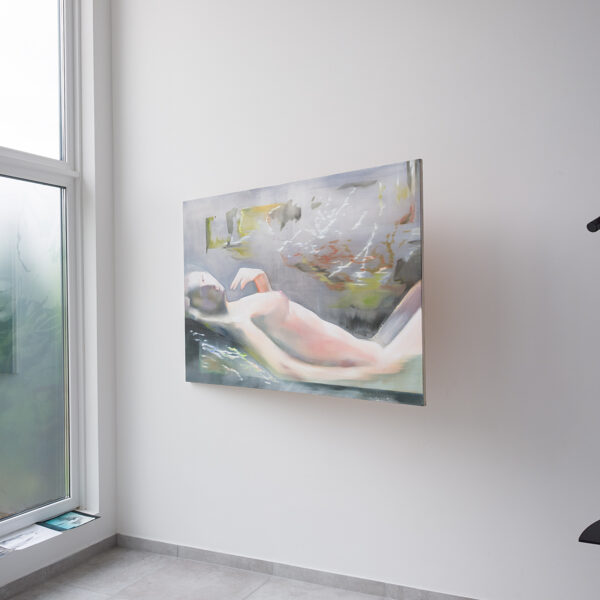
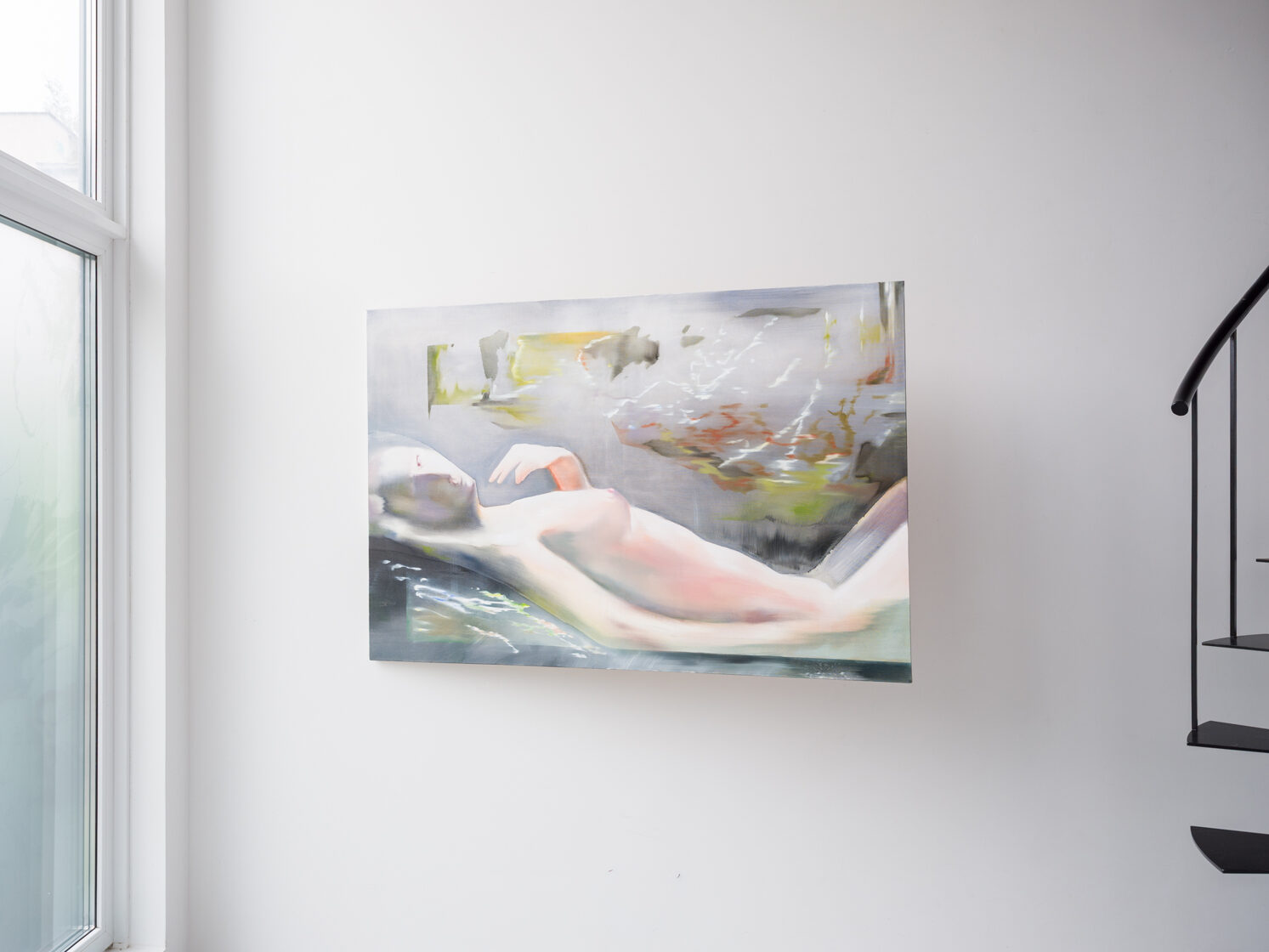
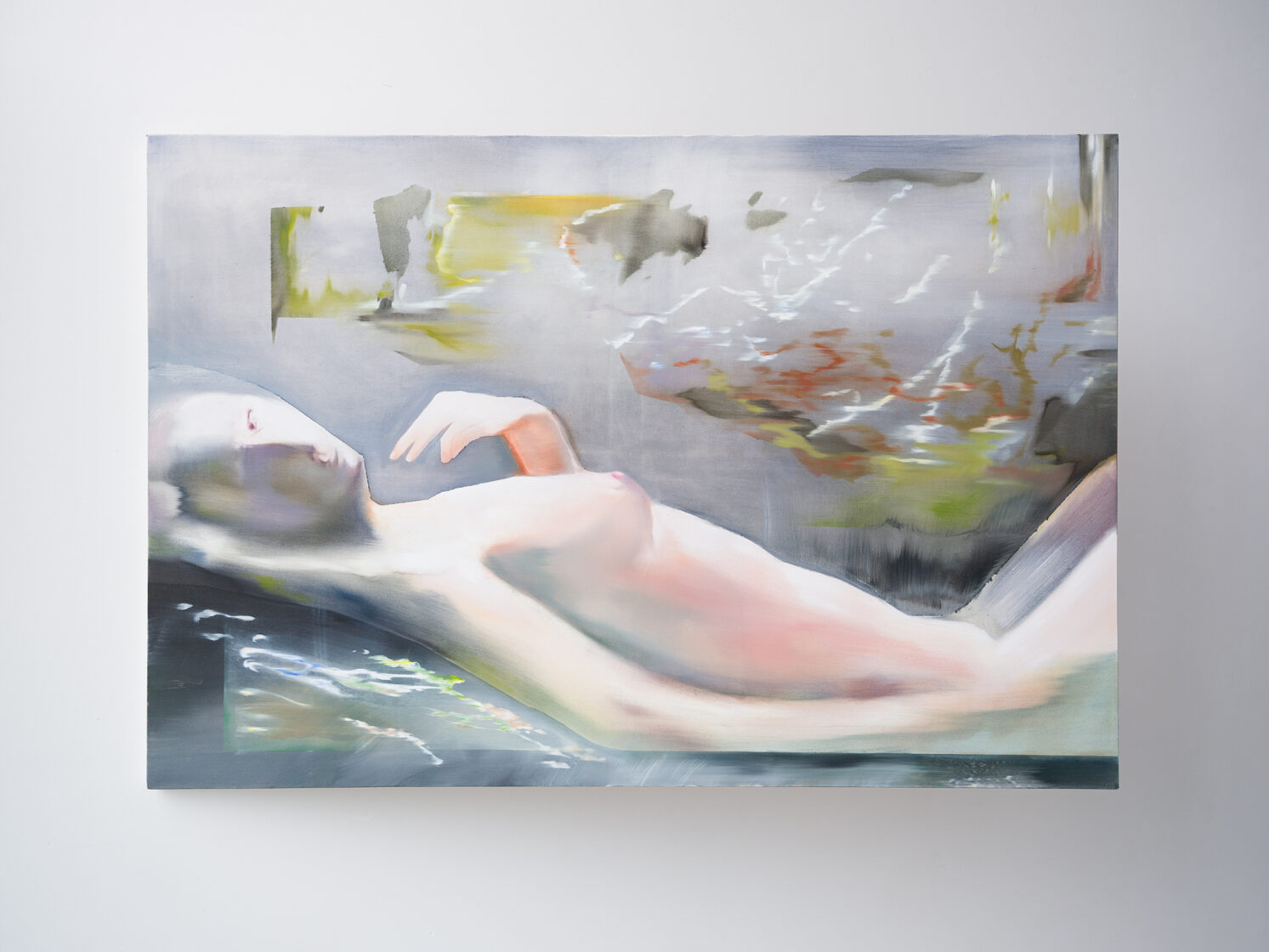
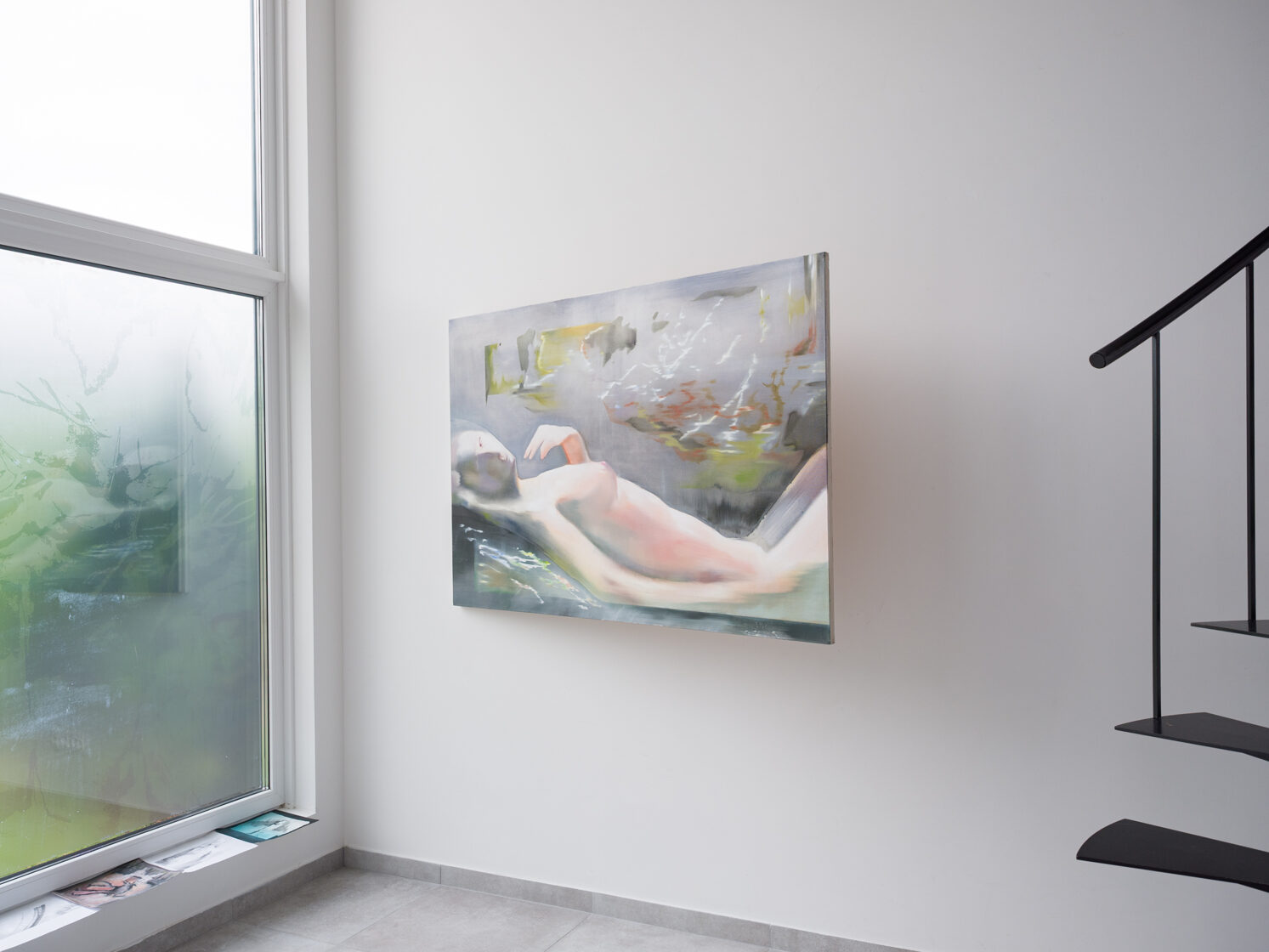
A pure-bodied, pink-bellied figure rises out of pixelated water lilies, out of a background of collective script-knowledge. She is Magyla, the uncanny goddess. Conjured out of thoughts and feelings, deduced from texts, shaped by myths and fairy tales. A woman who resembles no-one: ghostly, crowned, elemental. Blending into the space, in other works, she takes on completely different physical forms. Her unrecognizability, or, conversely, being recognisable but depersonalised, serves as a potential starting point for exploration. But it all begins with an encounter between the goddess and the (un)knowing painter Kornelija Skarolskytė. They talk, they become familiar, there is an outpouring, a crystallisation, and an exchange of powers. This is how contemporary expression grounded in archetypal imagery is born. Sometimes, all you need is a stratum for weakness where the goddesses can enter.
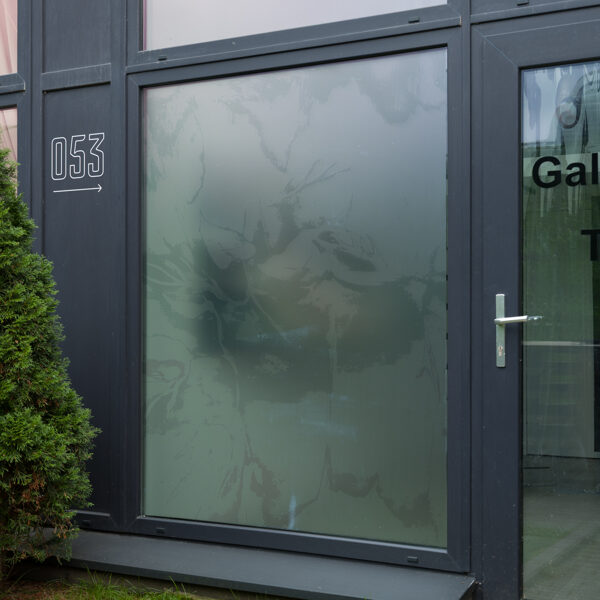
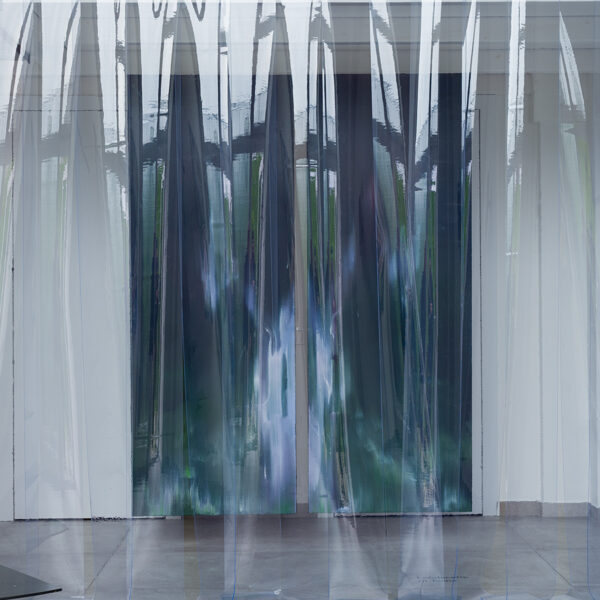
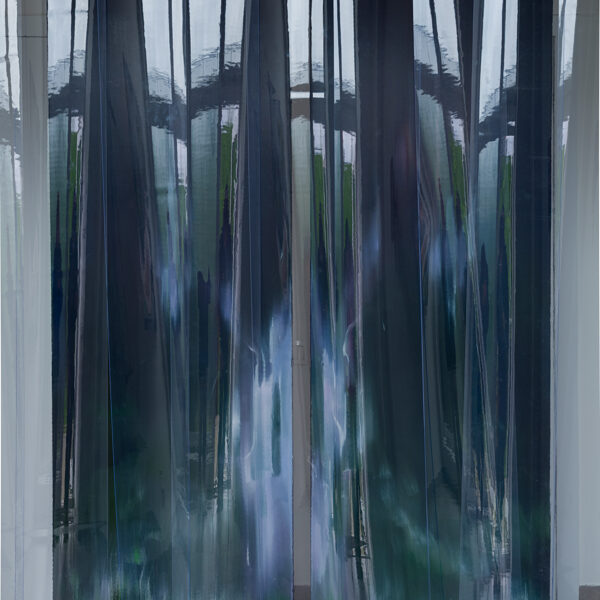
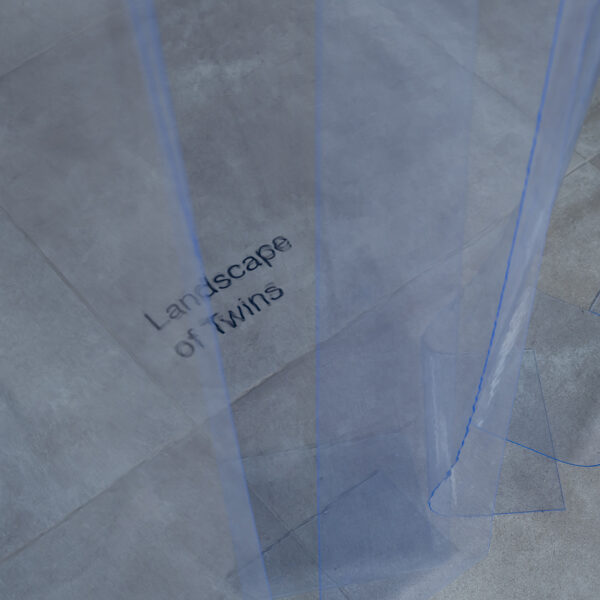
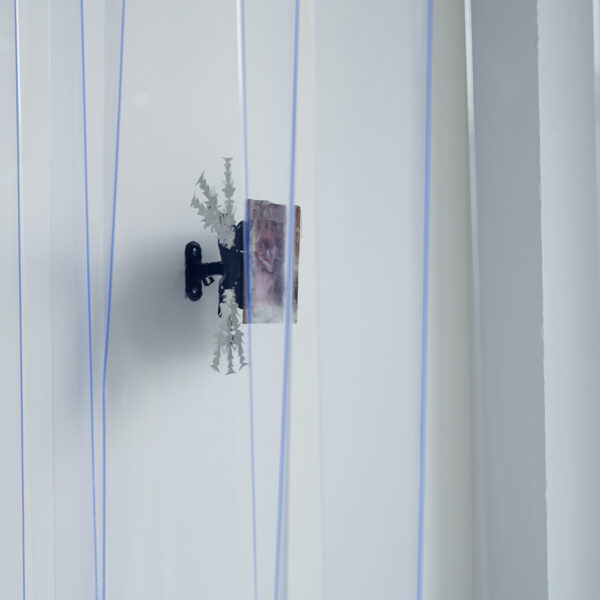
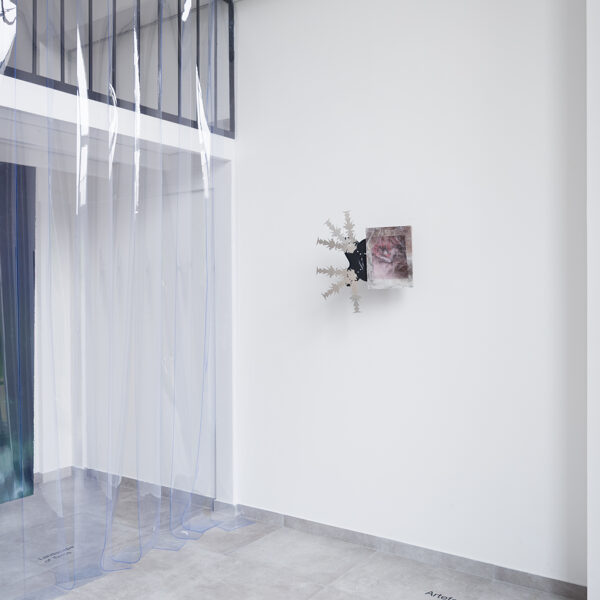
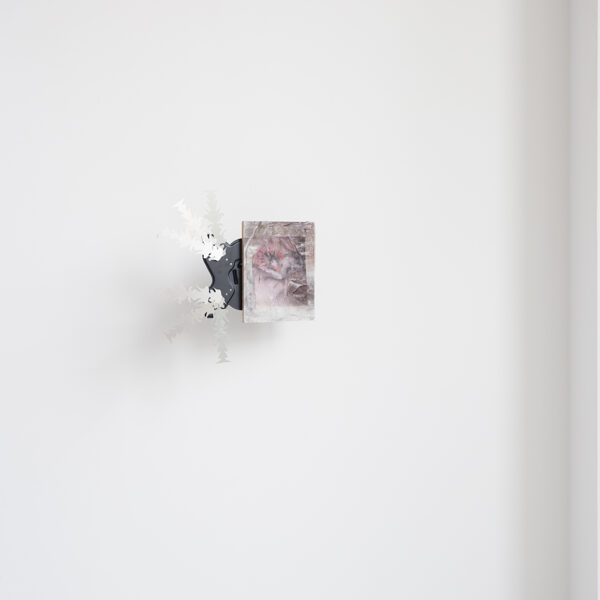
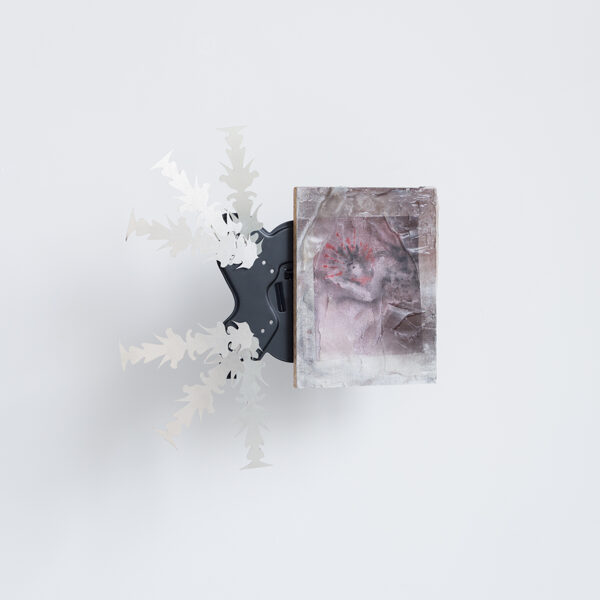
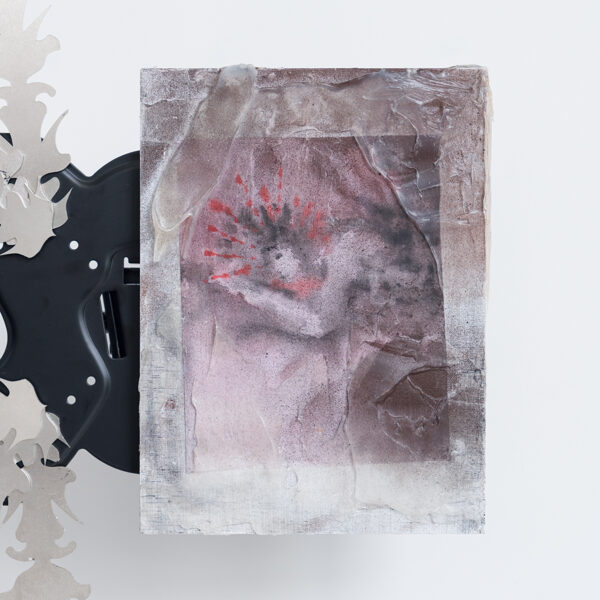
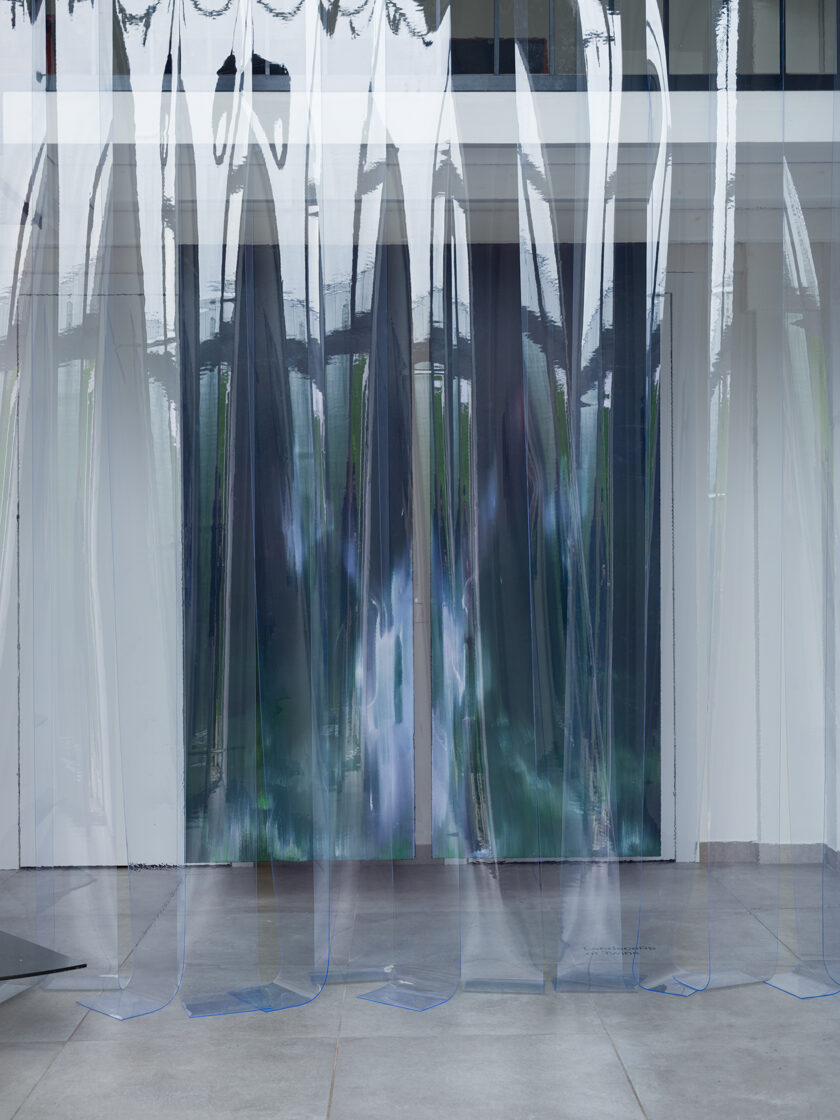
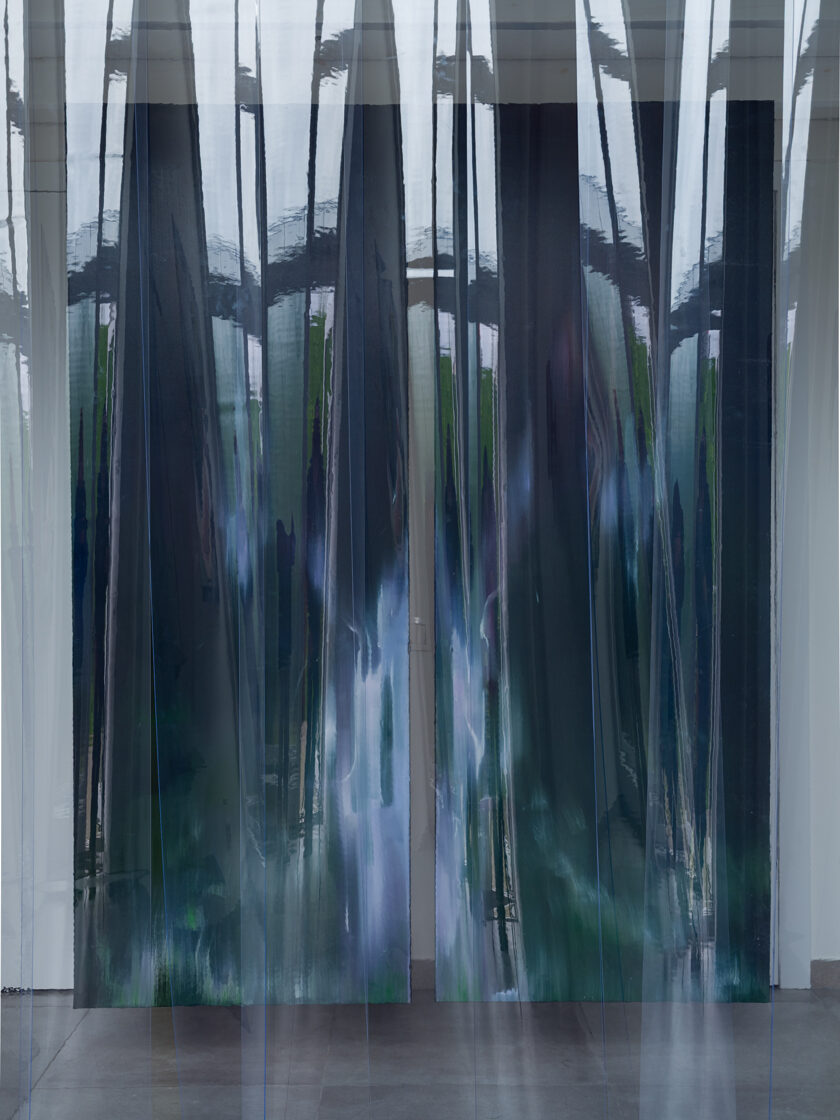
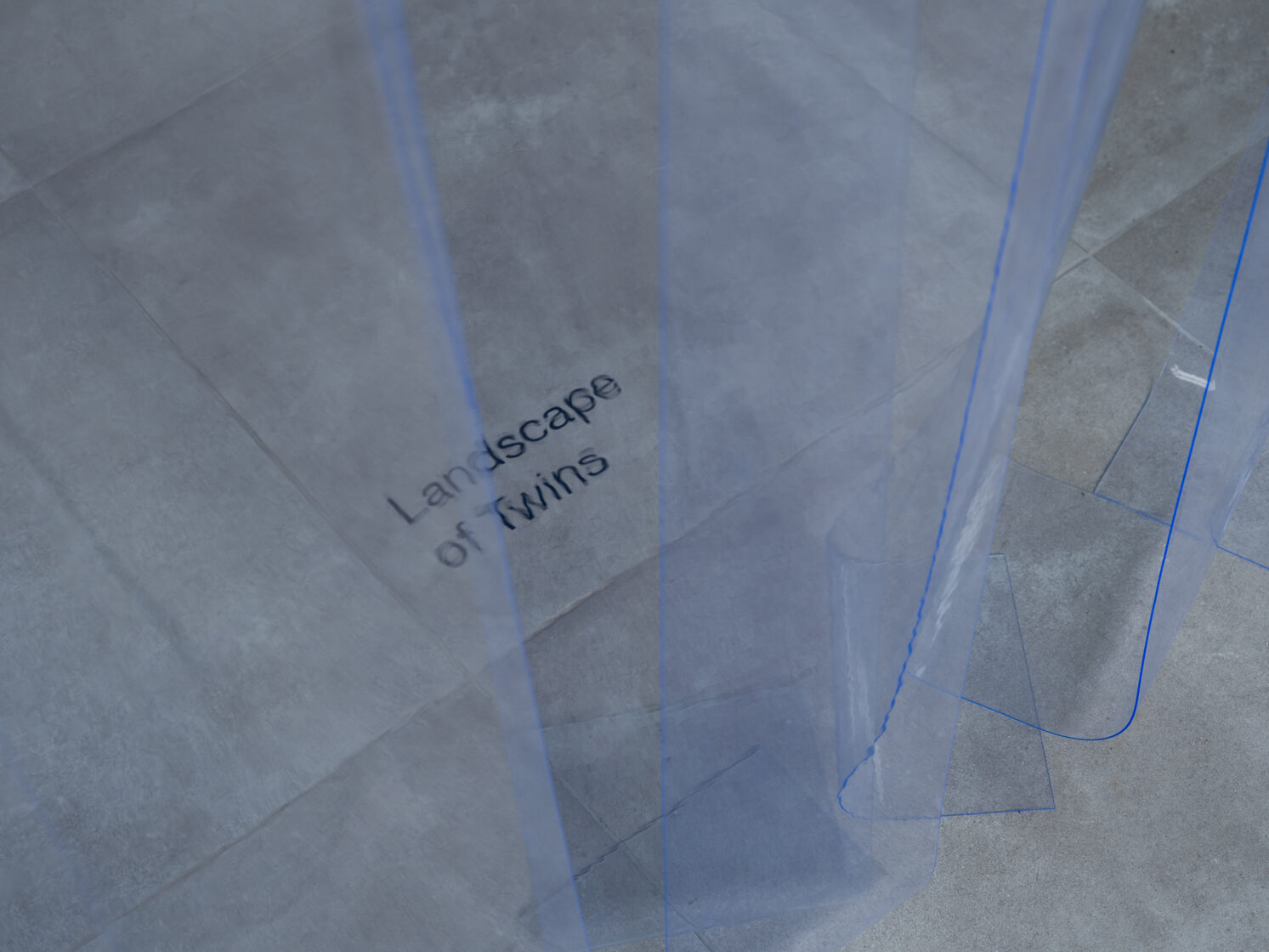
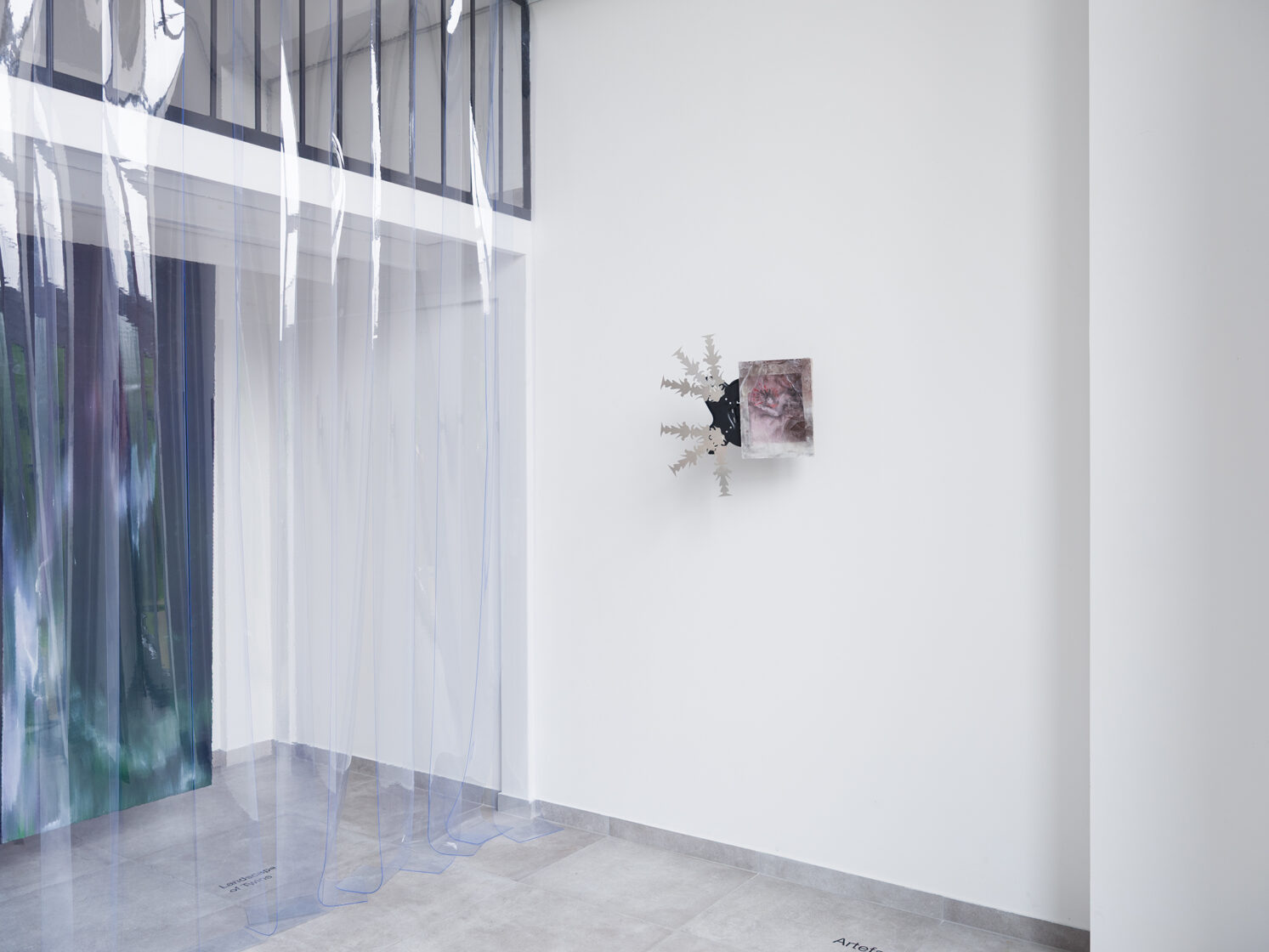
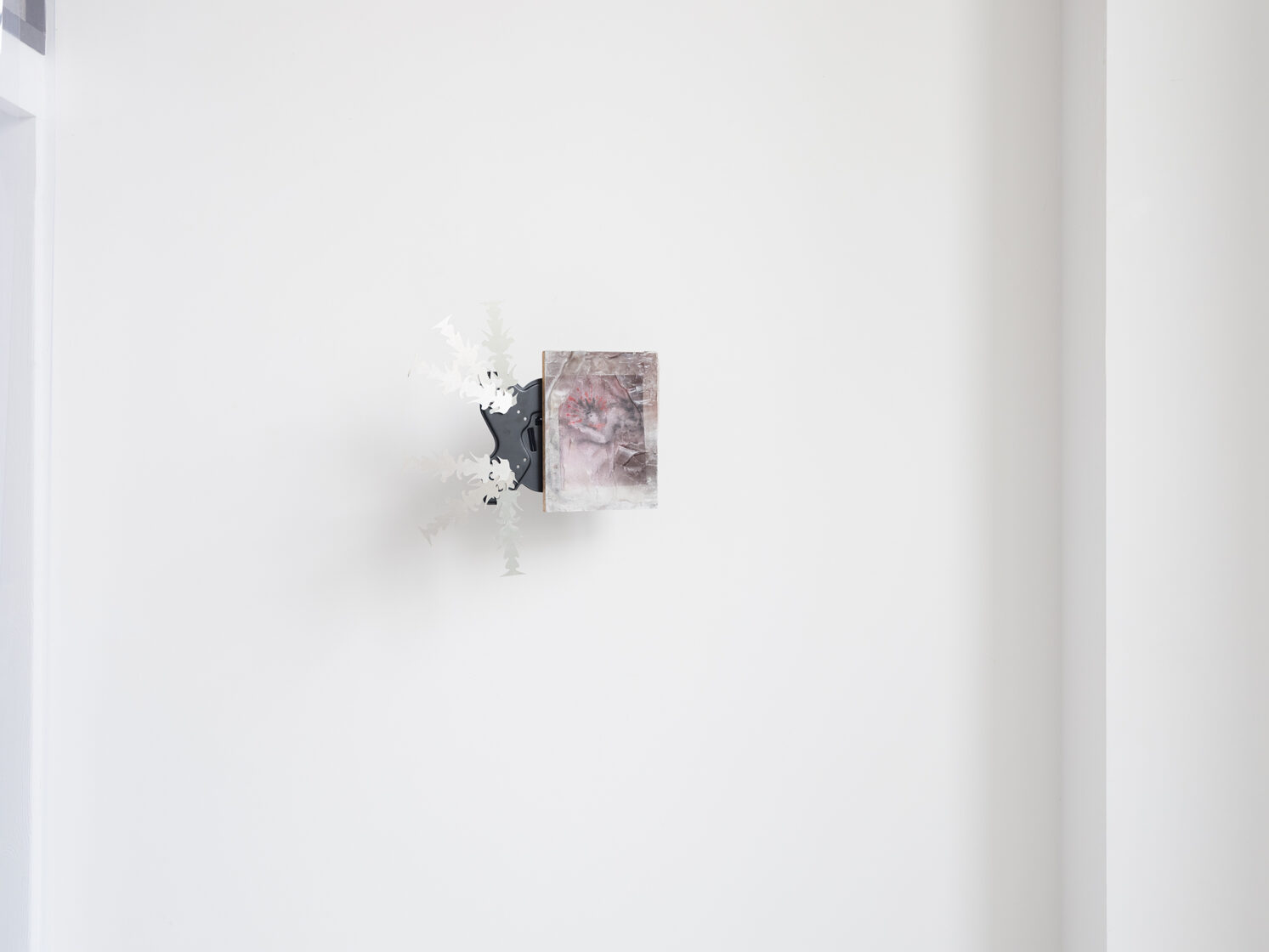
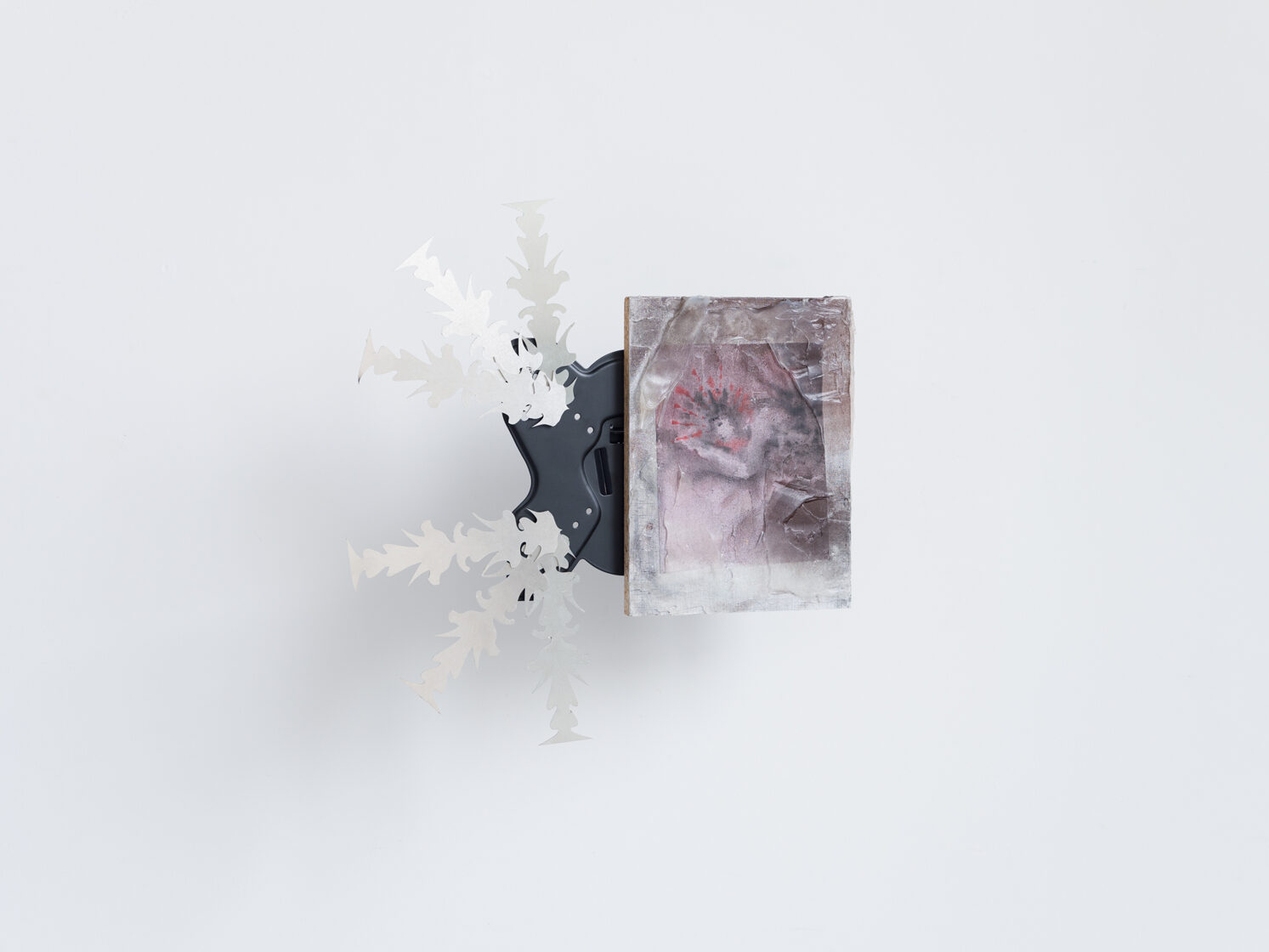
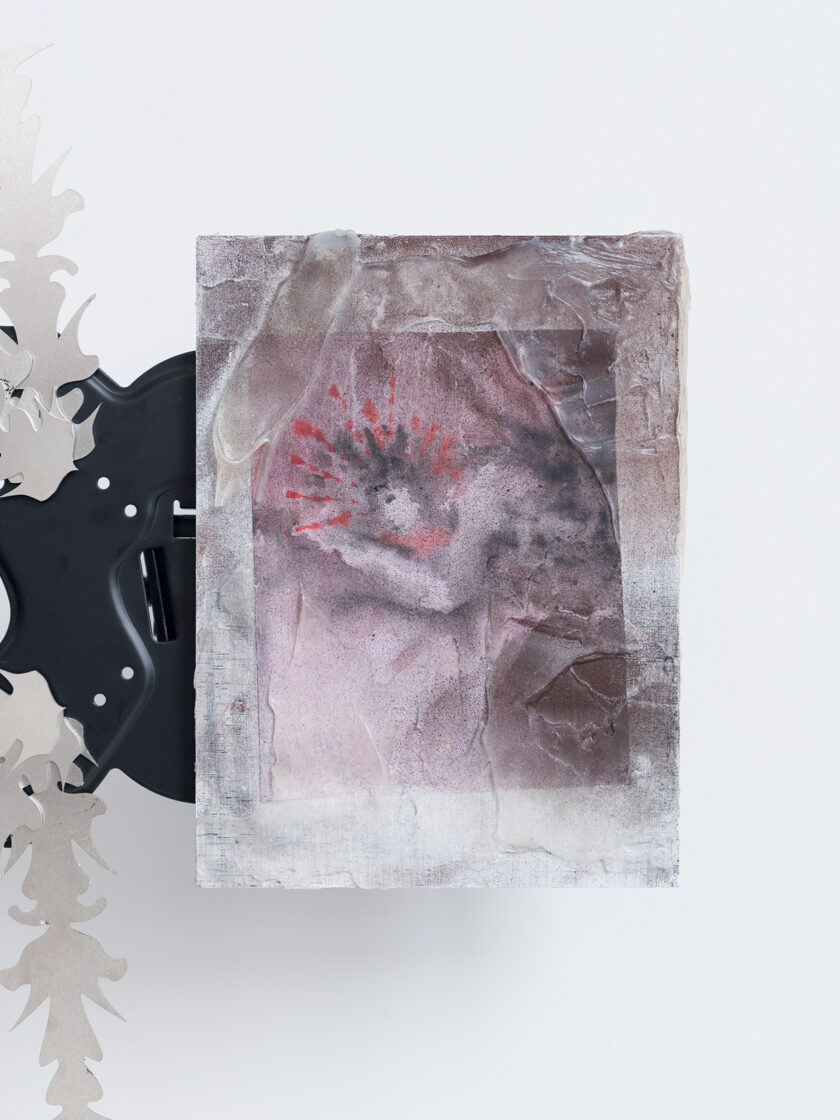
Magyla, Landscape of Twins, and Artefact form something of a holy trinity in the space, a triangle pulsating with energies. The three works act as a root system, feeding each other and perhaps warning each other of approaching spectres. These, harnessed by nostalgia, are constantly going through the whirlwinds of resurrection and appropriation. They become lifelines keeping that which is most important alive and well. Catching one ghost, a forgotten maiden, a goddess, by the tail, the digitised robotic eye turns towards the next. The structure runs on memories, promises, grief, and self-blessing.
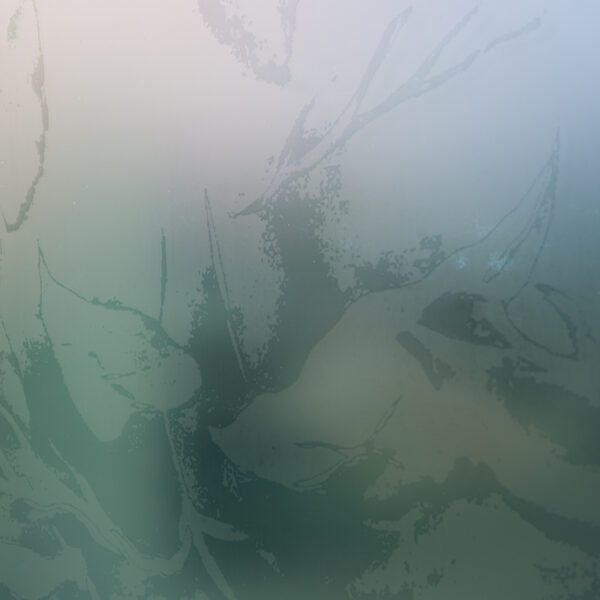
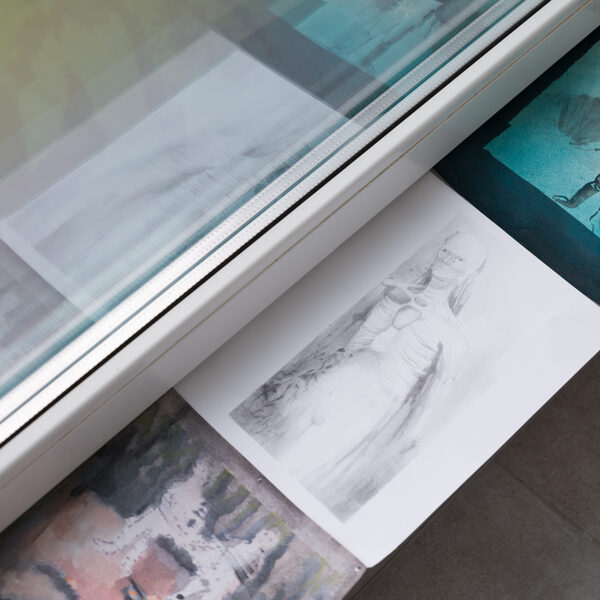
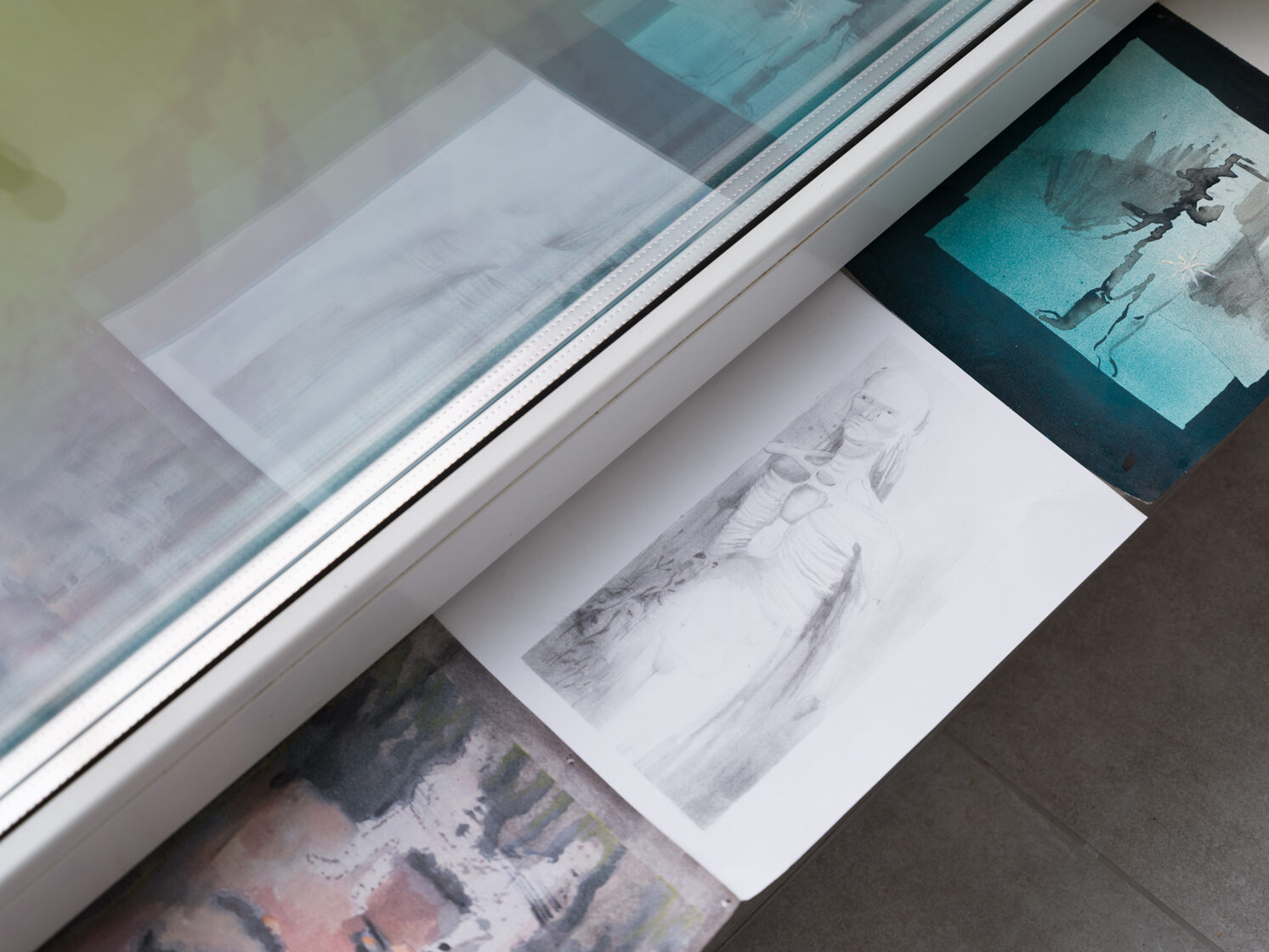
As if clad with metal ornaments, the drawings here become testimonies of the present, acting as essential supporting structures. The elongated poetic brush stroke is reinforced with pencil, rendering frames and objects more easily identifiable. It all functions as some sort of hand-operated manifestation system, grounding, among other things, the existence of the woman creating it. But where have the mythologised, fading memories of goddesses, or maidens, as the artist also calls them, gone this time? They are travelling from the valleys of oblivion towards intrinsic knowledge. The exhibit evokes an unending poem interrupted by remnants of industry, housing district folklore, and sterility. An appropriate grammar is forming out of saintly care and living creatures inside paintings, as well as diptychs and portals.
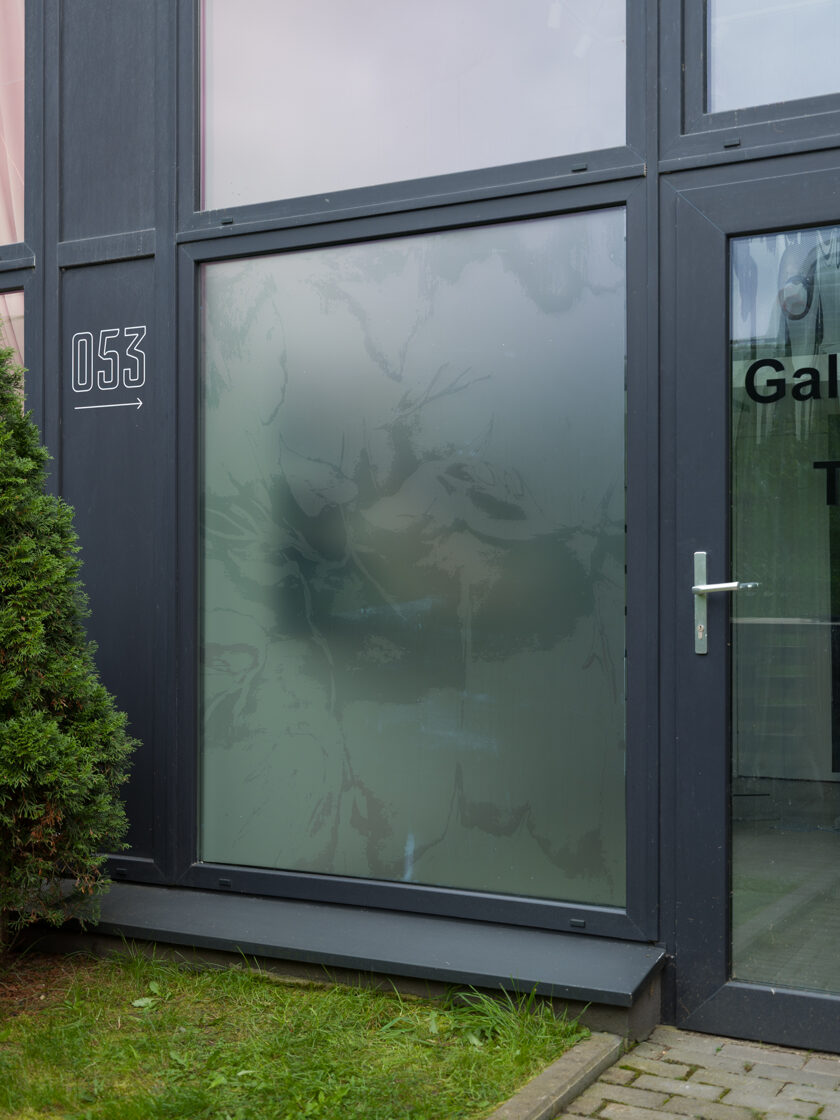
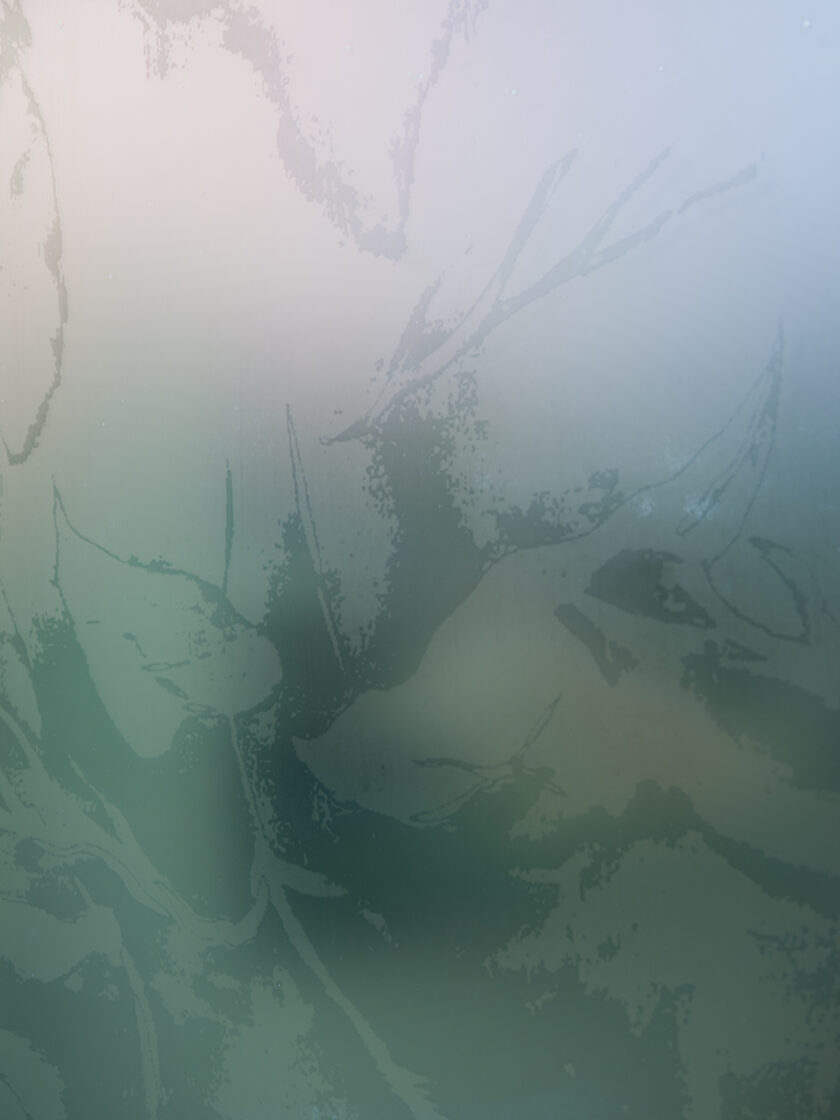
Dargývia is a made-up a term the artist created by combining two Lithuanian words, dar (still) and gýva (living). It embraces echoes of nature, mythology, and sensuality, which secretly still linger in painting, albeit gradually fading as relics of a different time. A certain duality emerges from the atmosphere of a remote industrial district and the gallery space. Skarolskytė’s works reinterpret matriarchal mythology, with a particular focus on the many goddesses of Lithuanian tradition. Knowledge about them is sparse and fragmented, and their names have become distorted. And yet, sometimes all you need is a stratum for weakness where the goddesses can enter.
Kornelija Skarolskytė (b. 2000) is a young artist, painter, and graphic designer. She has received a bachelor’s degree in painting from the Kaunas Faculty of the Vilnius Academy of Arts in 2025, and has participated in an exchange programme at the University of Montenegro in 2022. The artist is based in Kaunas.
Text by: Viktorija Mištautaitė
Graphic Design: Kornelija Skarolskytė
Copy Editor: Dangė Vitkienė
Translation: Paulius Balčytis
Exhibition Sponsor: Vilnius City Municipality
Cart
Cart is empty.