Čiurlionis
through the eyes of foreigners — how do Ukrainian artists see him?
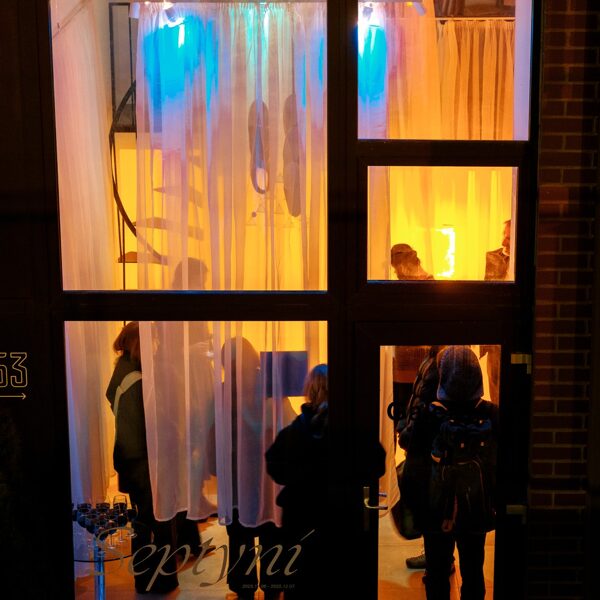
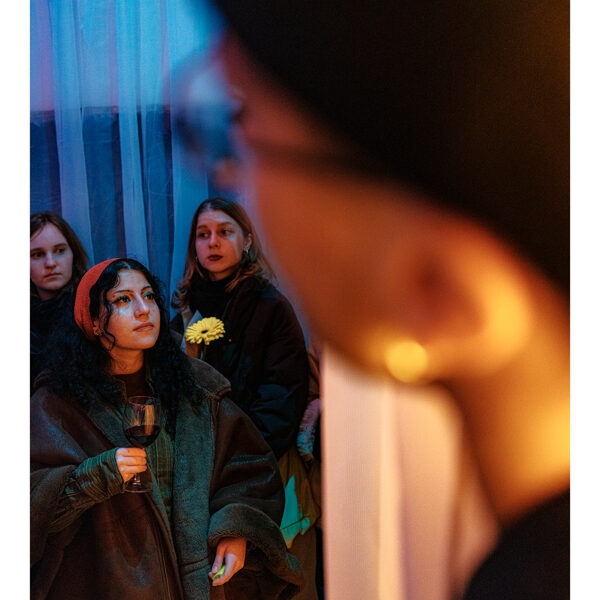
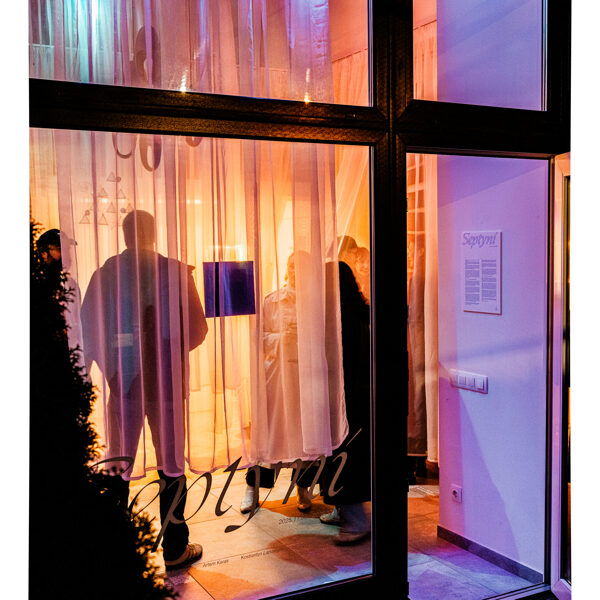
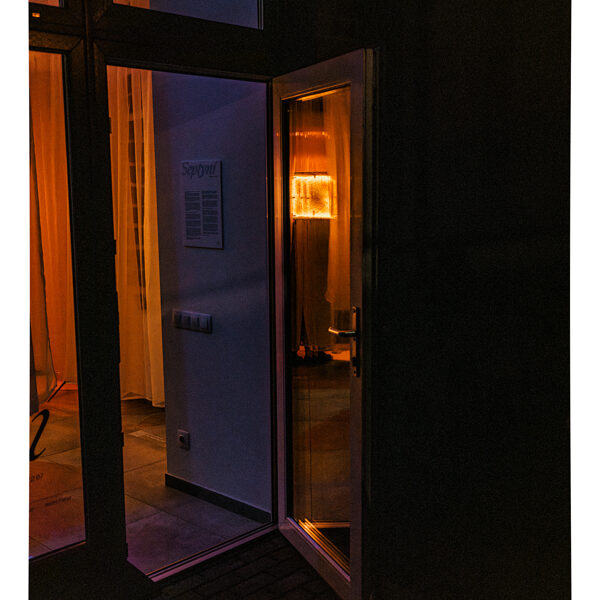
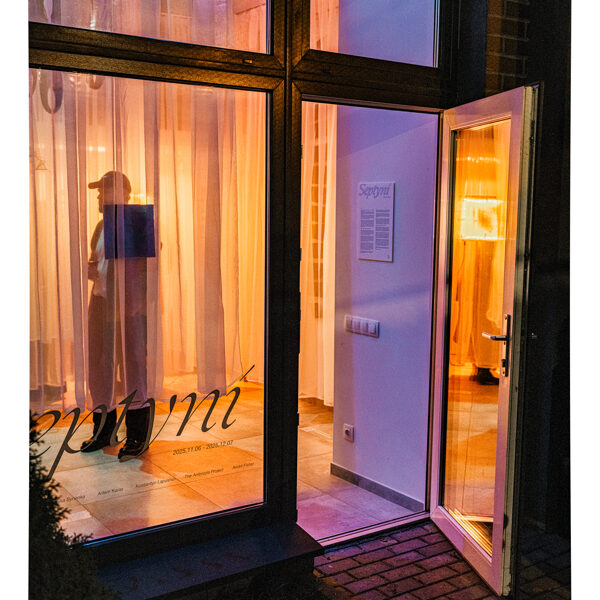
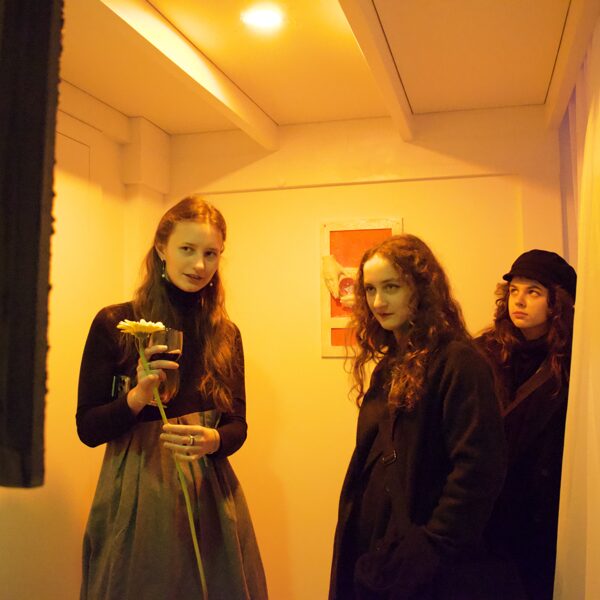
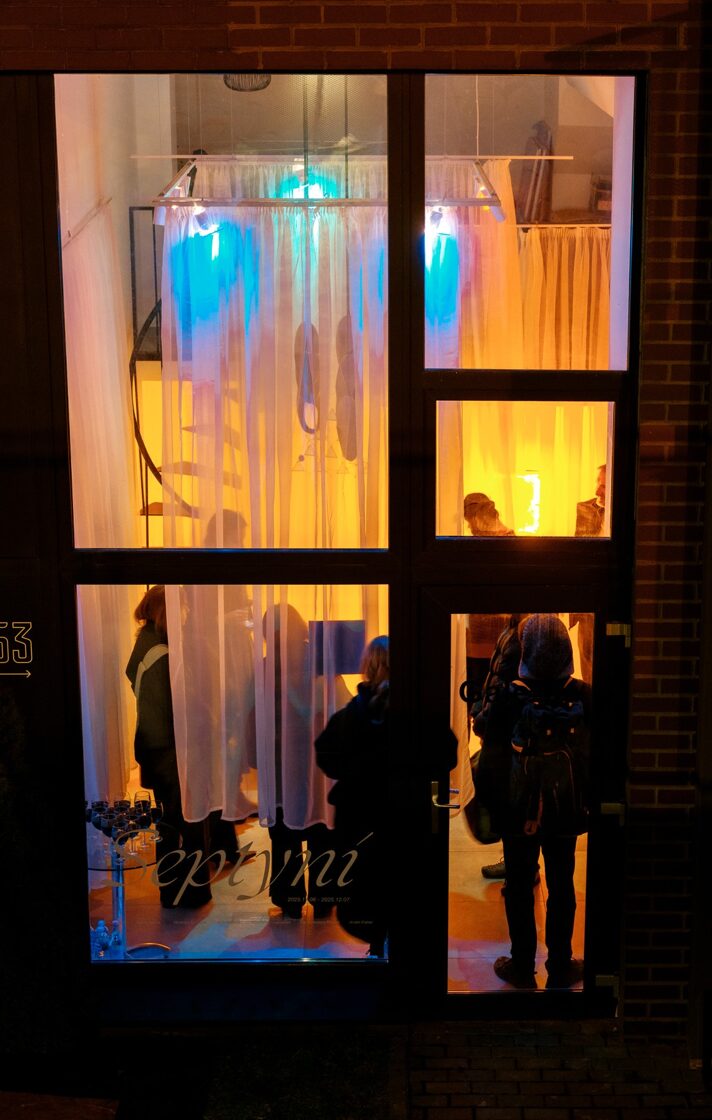
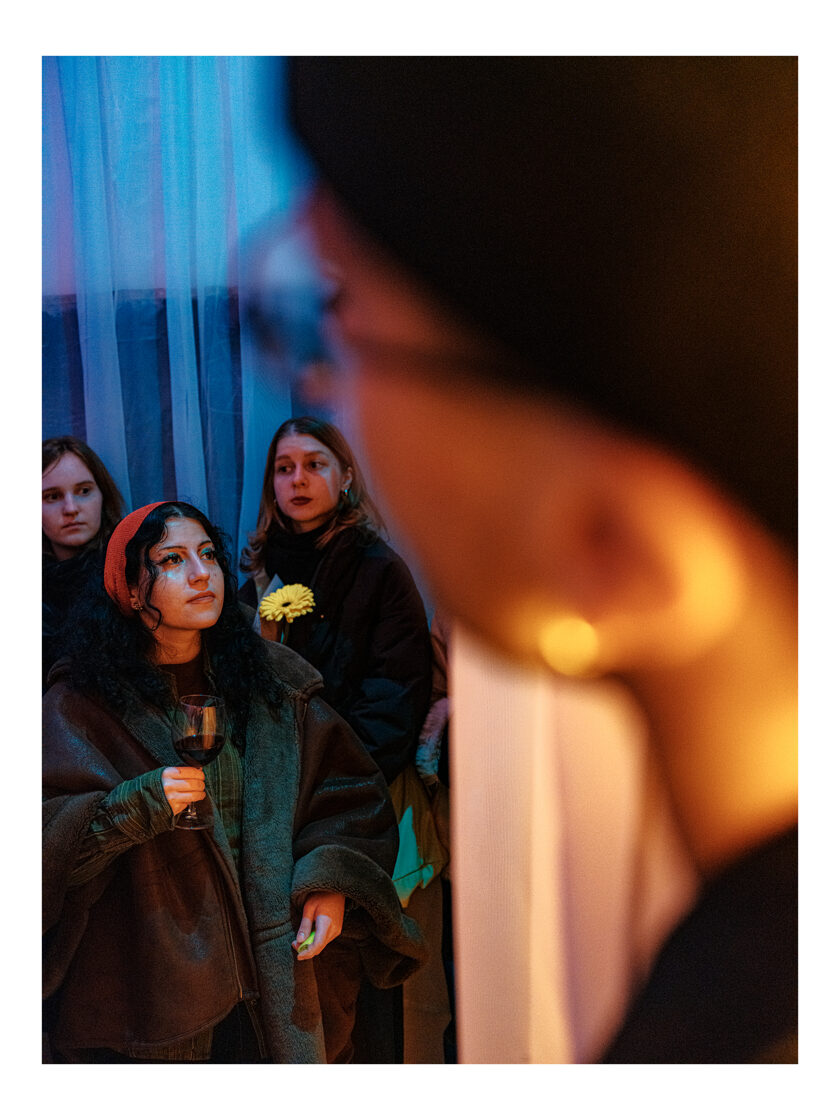
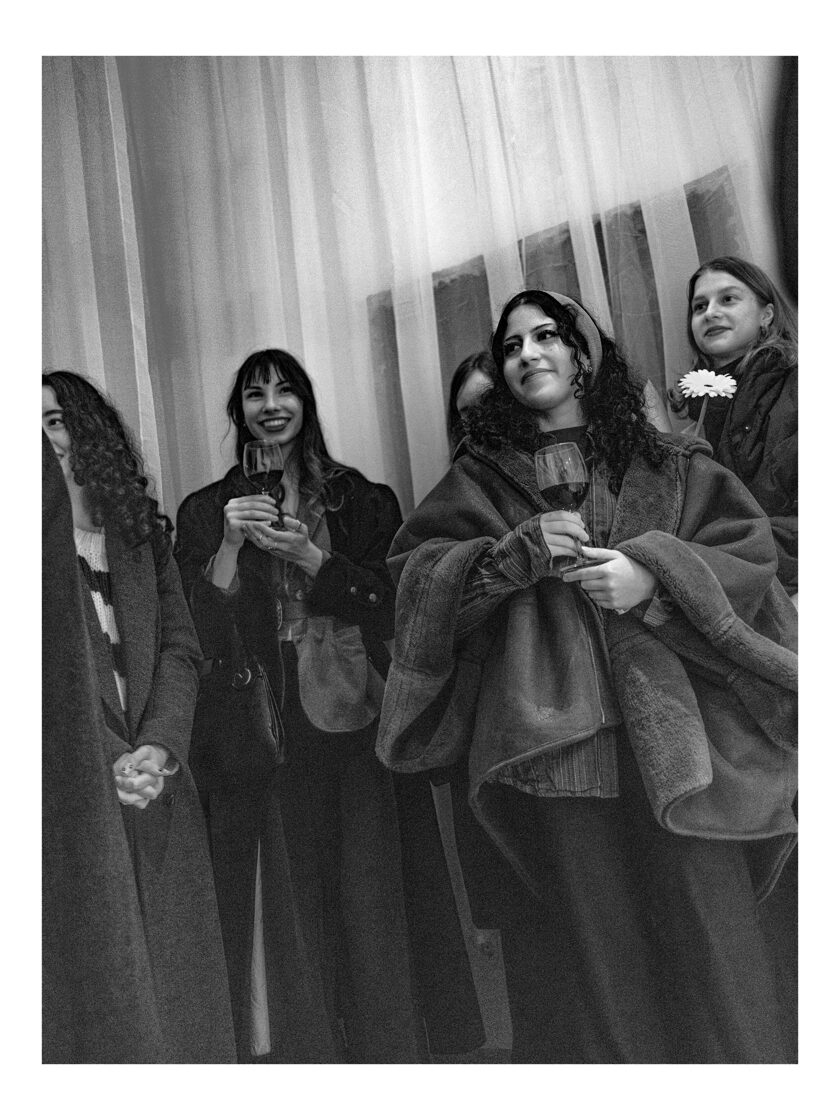
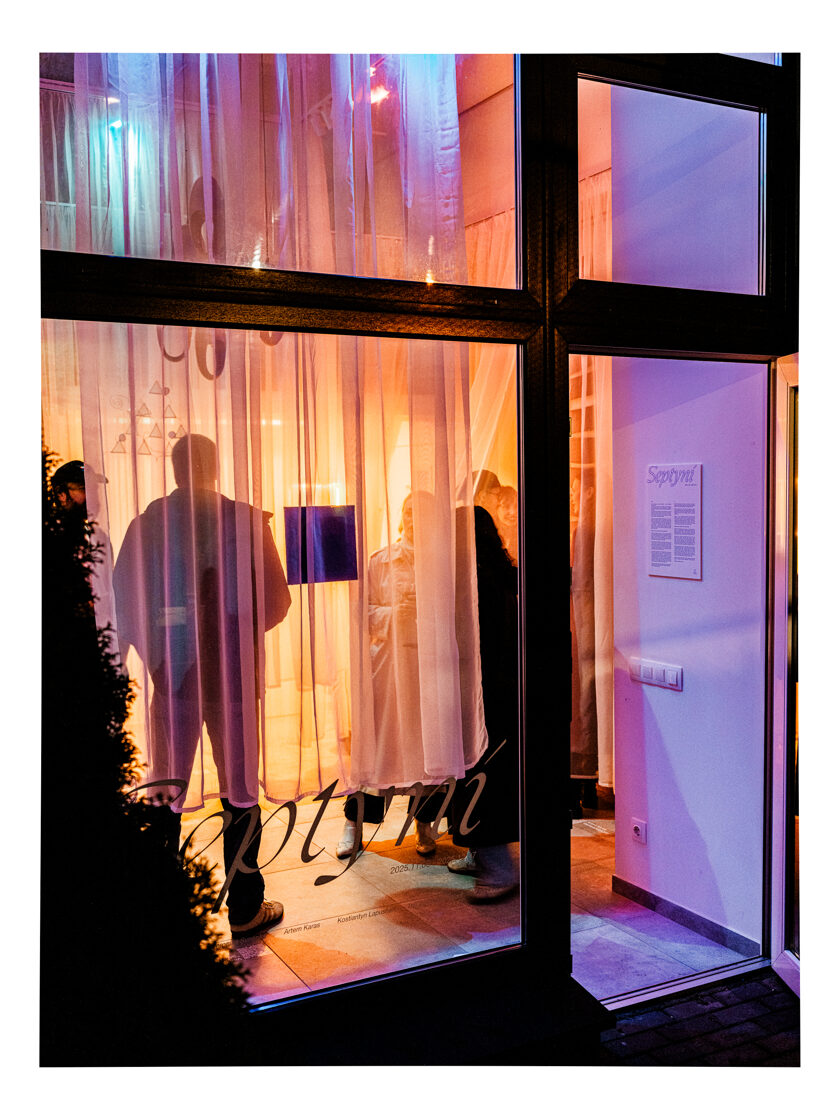
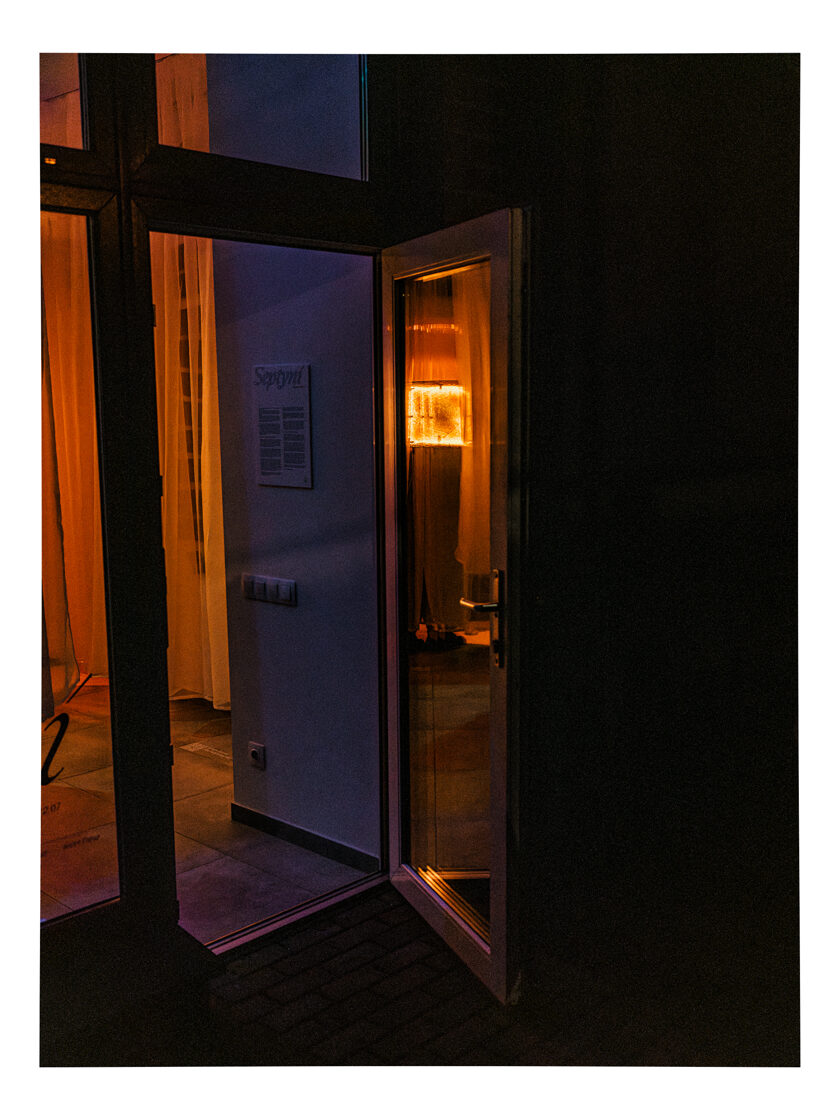
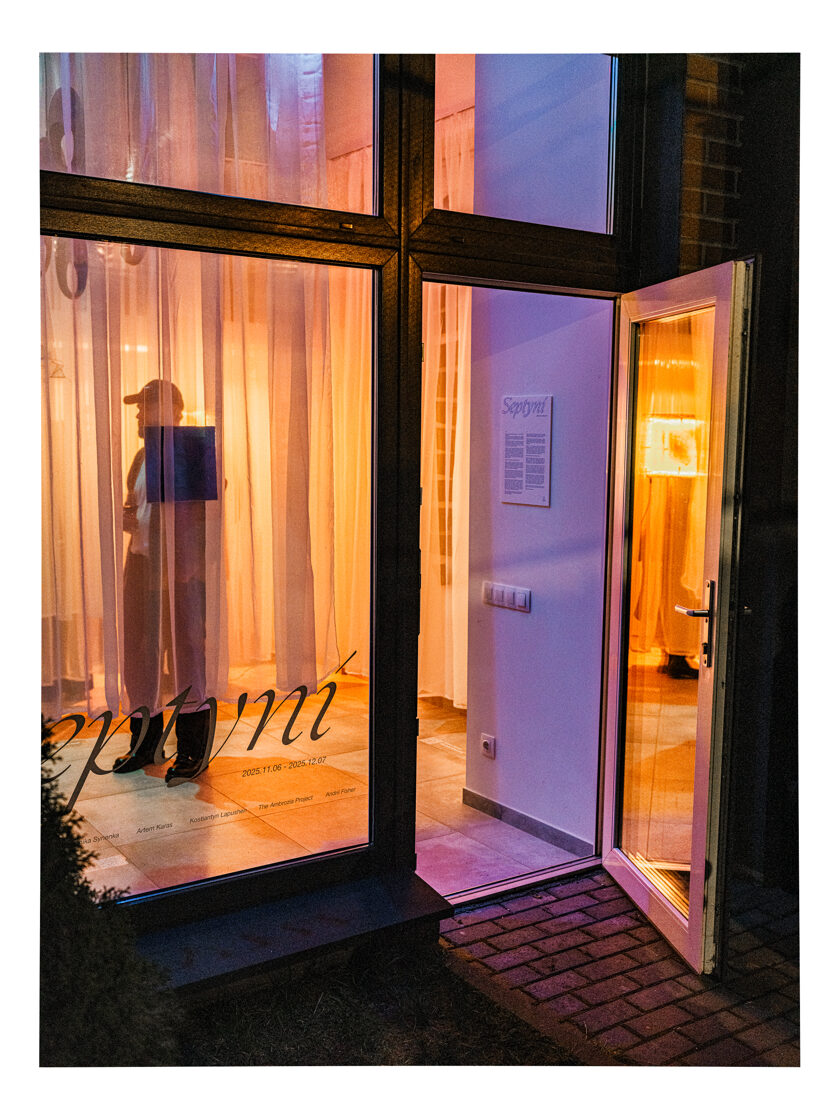
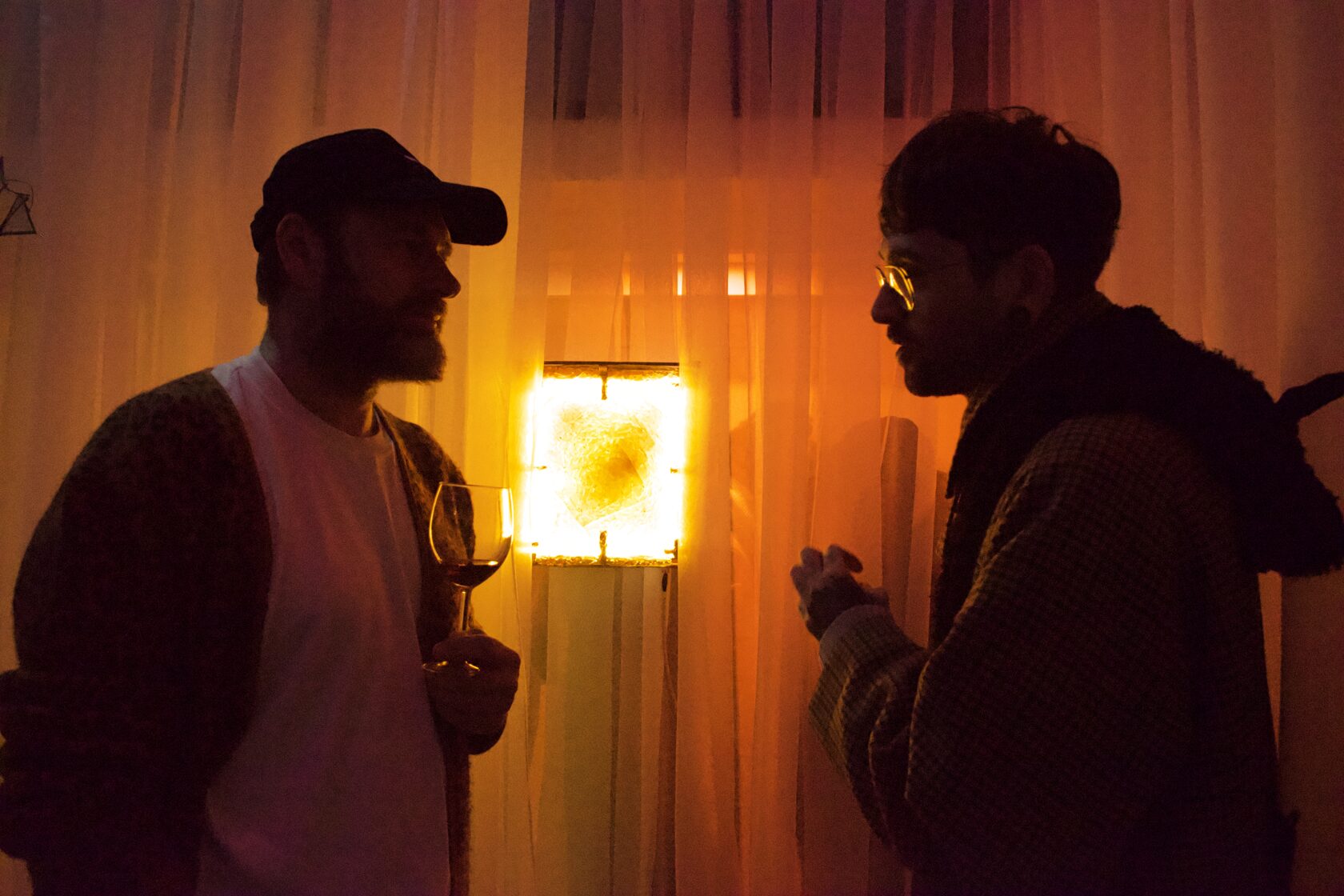
The answer can be found in the exhibition “Seven” (“Septyni”), where Ukrainian artists present their interpretations
of Mikalojus Konstantinas Čiurlionis – the Artist who holds great importance
for Lithuania.
The concept for the exhibition was conceived before
the cultural protests and strikes in Lithuania, yet over time it has acquired a
new resonance. Today, this project can be read as an act of resistance, an
attempt to preserve a sense of harmony in a world where balance is constantly
being broken.
“Septyni” is
not simply a dialogue with Čiurlionis. It is a conversation about perception —
about how young Ukrainian artists, living through war, transformation, loss,
and endurance, respond to his music. How through sound they perceive color, and
through color — themselves. This exhibition is not about interpretation but
about translation — the transformation of music into image, rhythm into form,
experience into light. Perhaps this is the true language of Čiurlionis — one
that we are still learning to speak, even a century later.
Exhibition curator, Ukrainian artist Veronika Synenka:
“Mikalojus Konstantinas Čiurlionis lived and created
between music and painting, as if searching for a language that did not yet
exist. For him, sound had color, and color had rhythm. The project “Septyni” continues this idea of
synesthesia — not as a formal experiment, but as a way to sense the connection
between the inner and the outer, between time and image.”
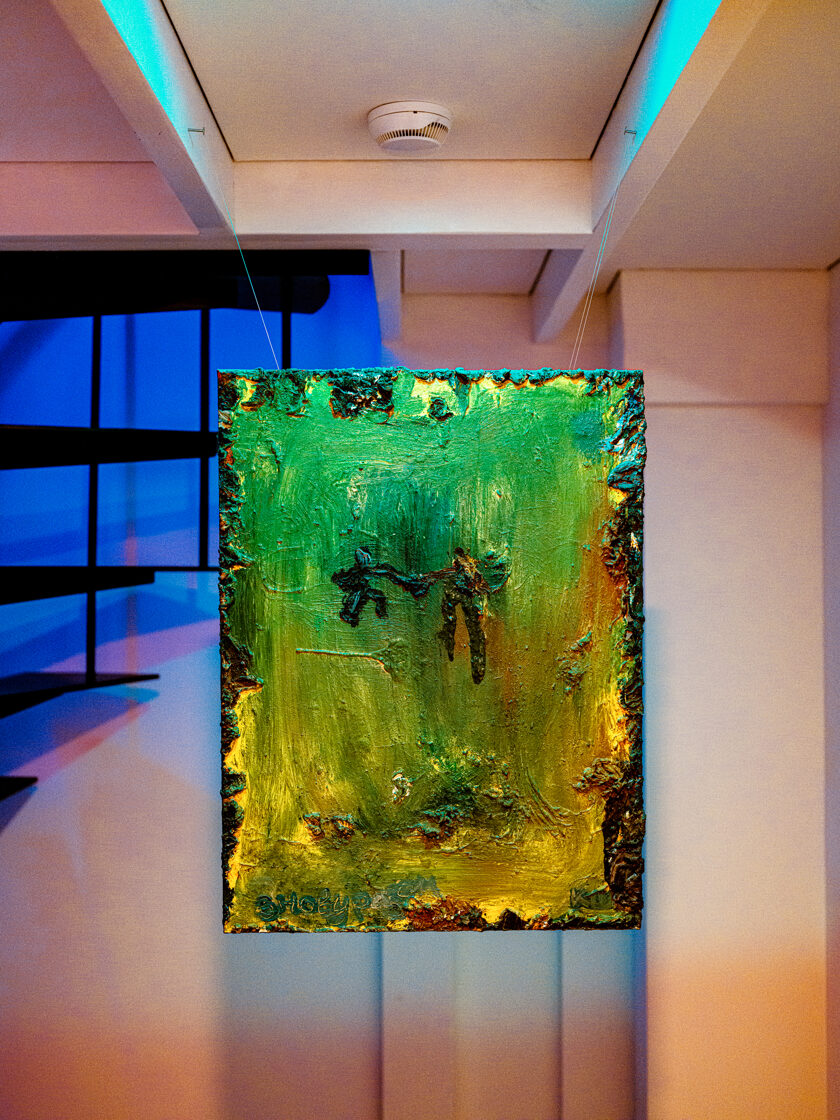
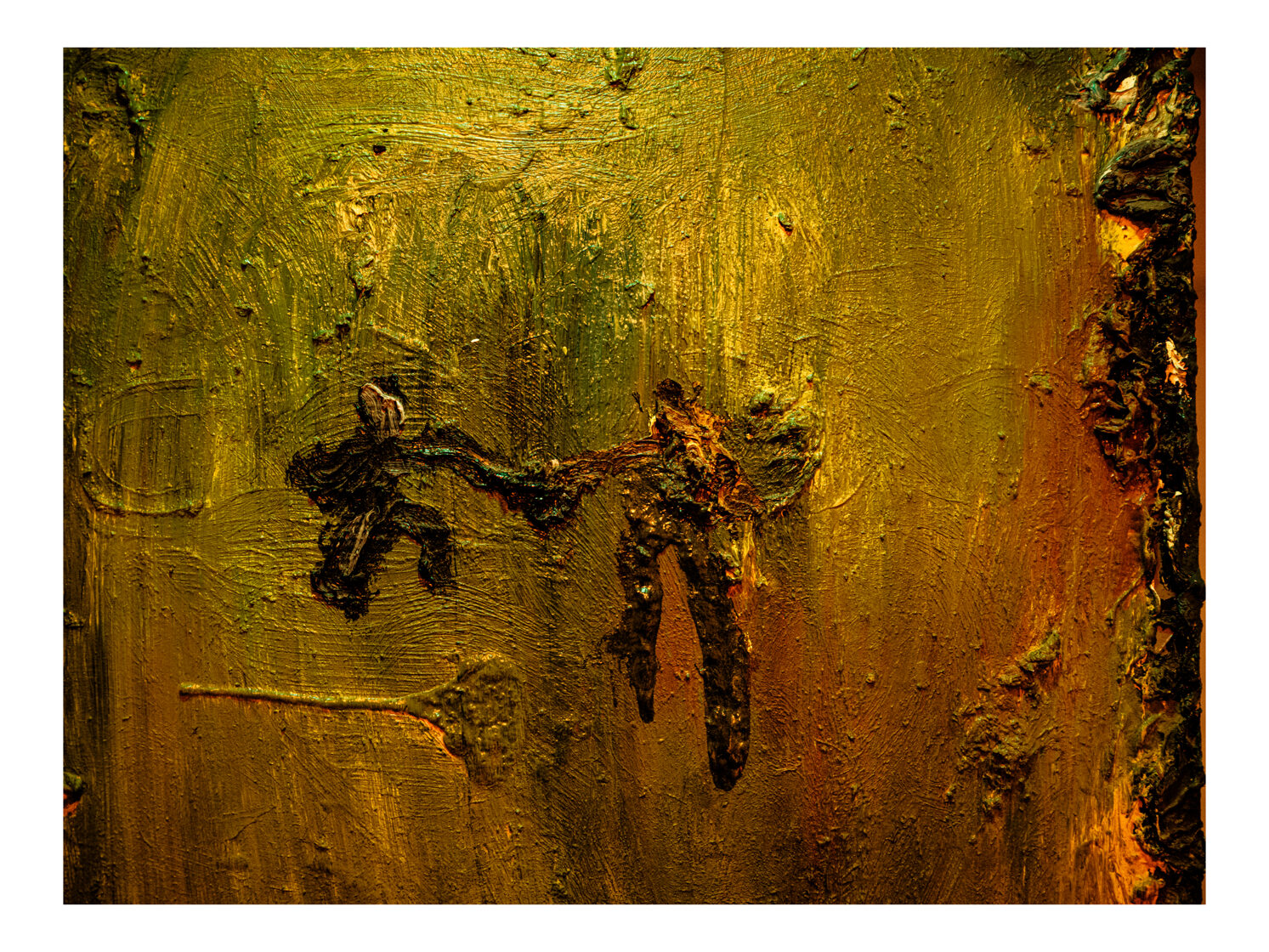
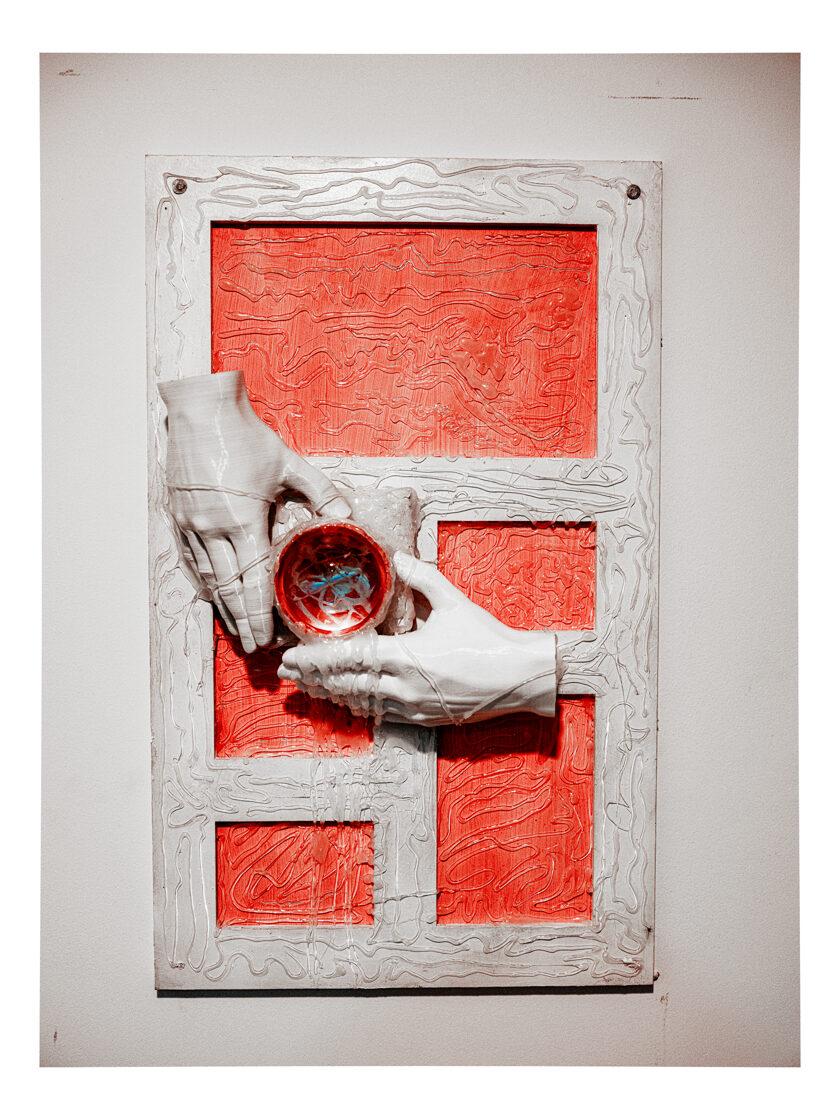
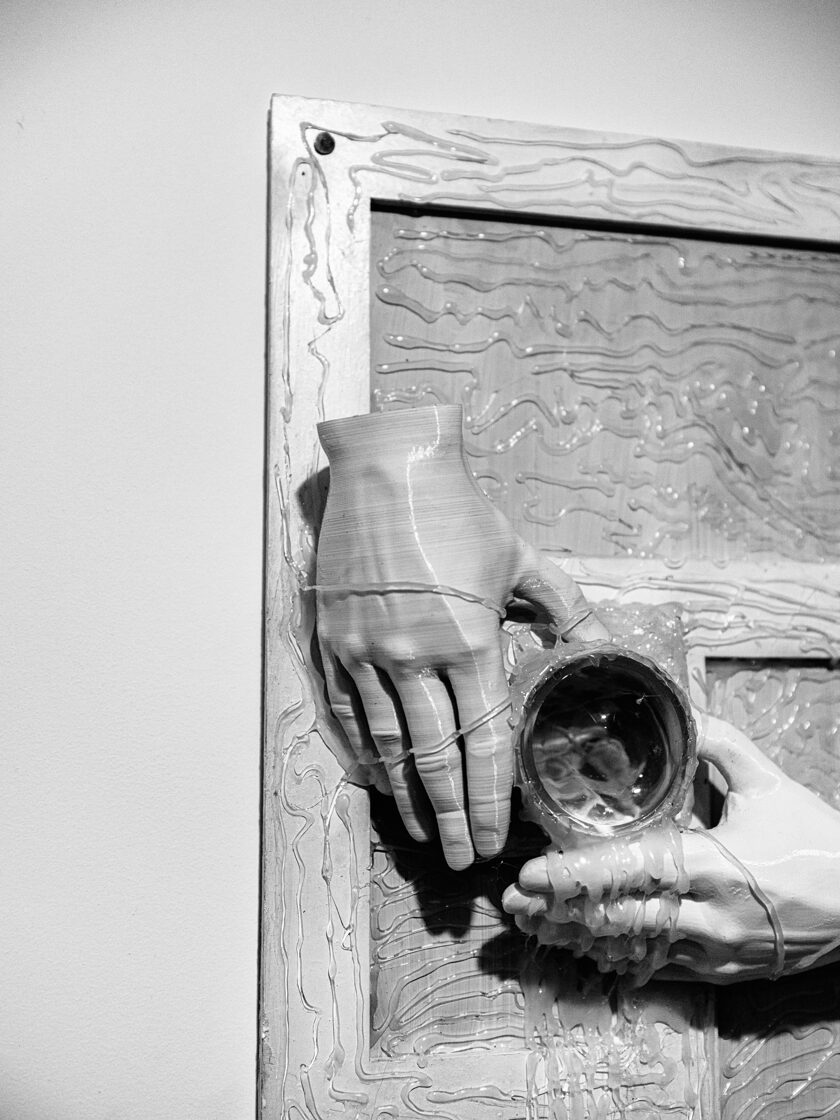
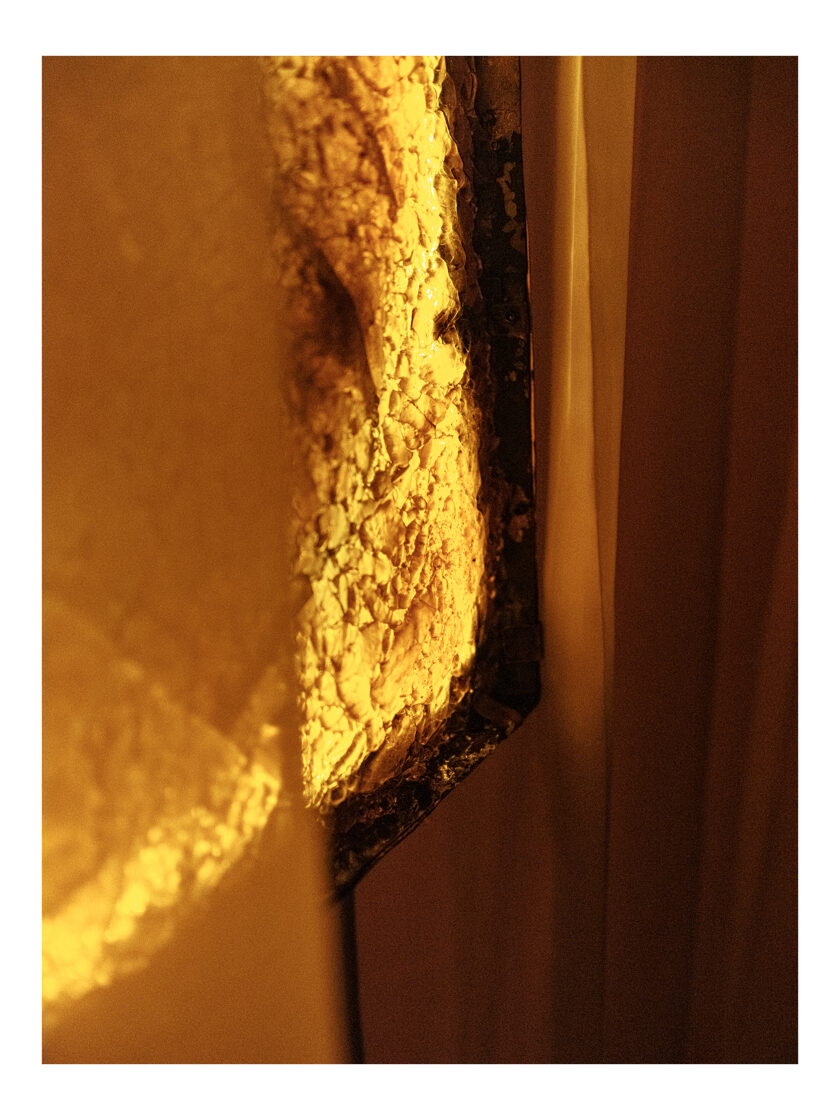
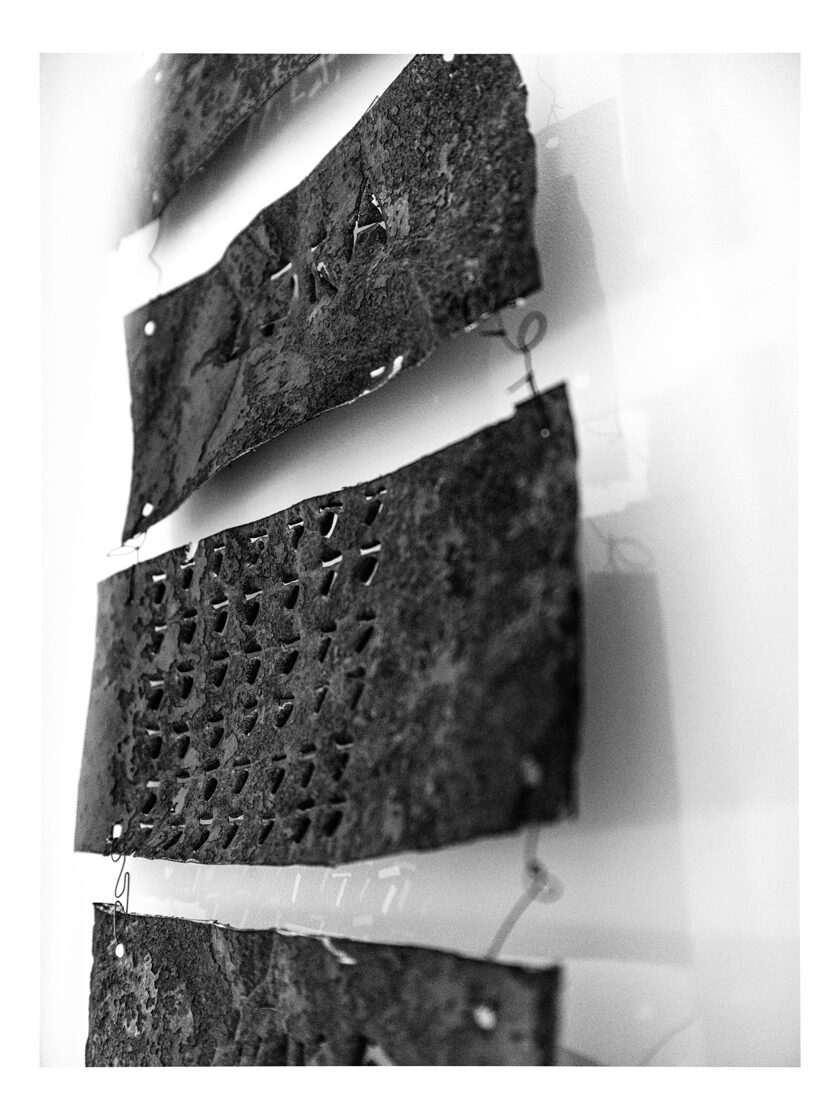
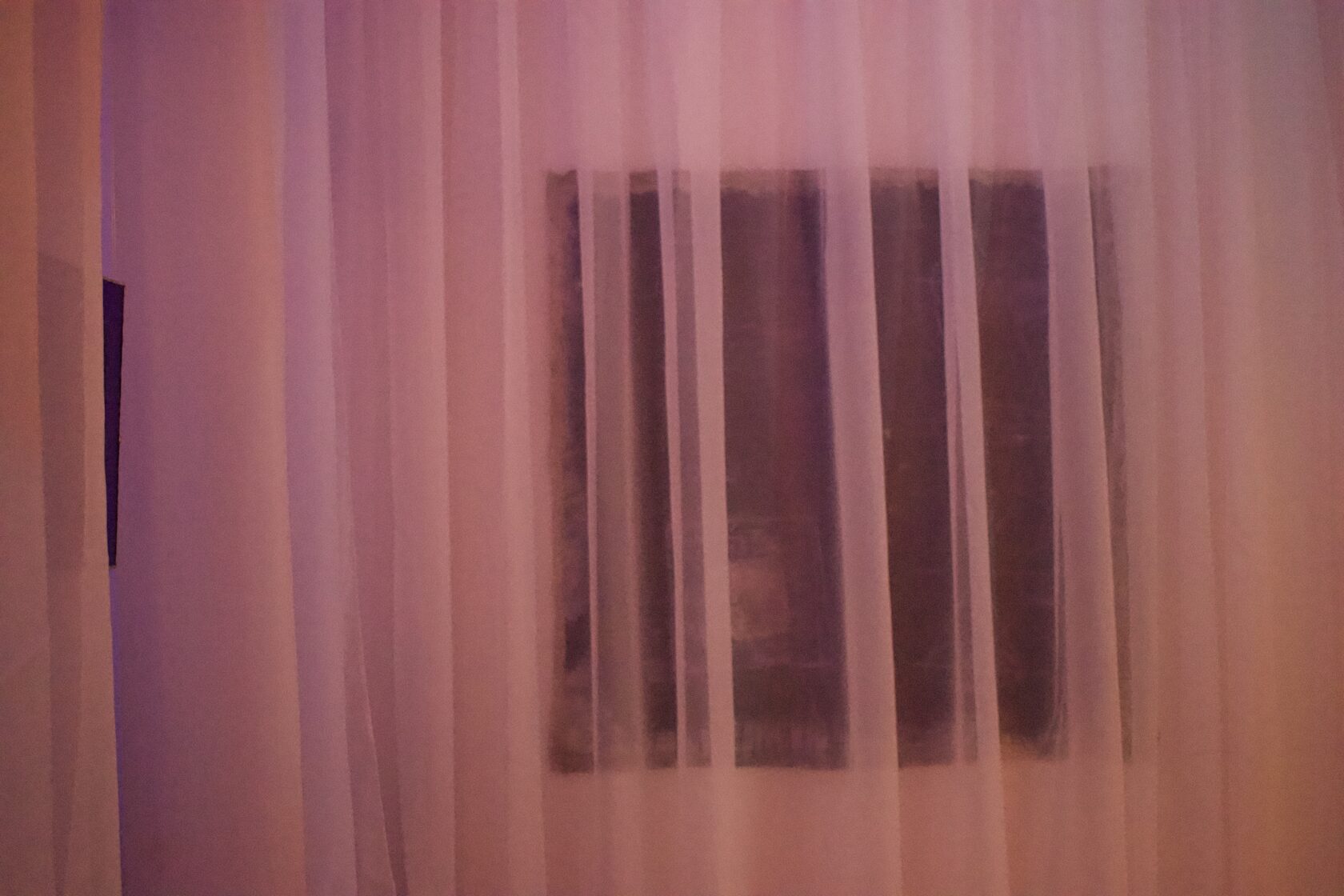
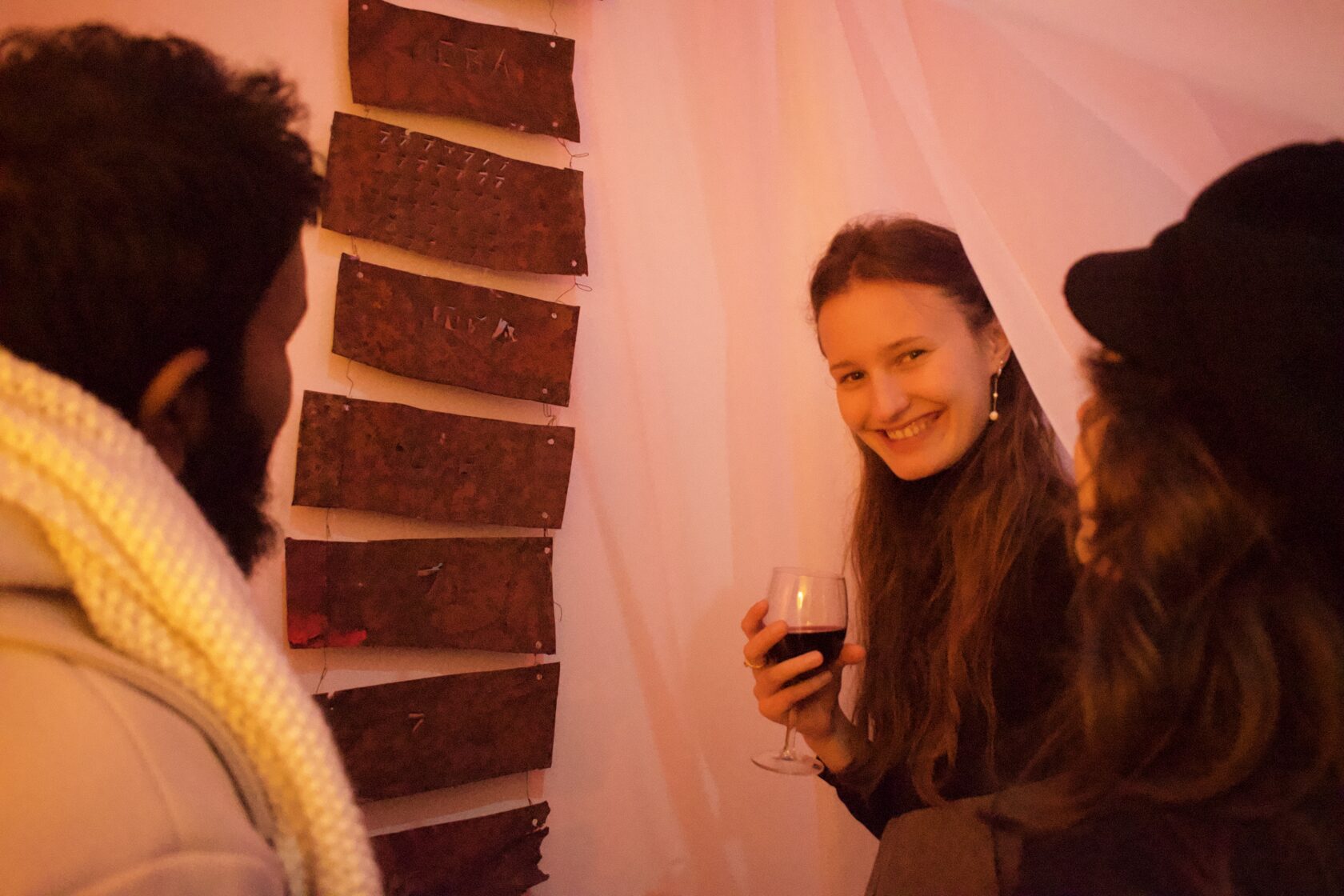
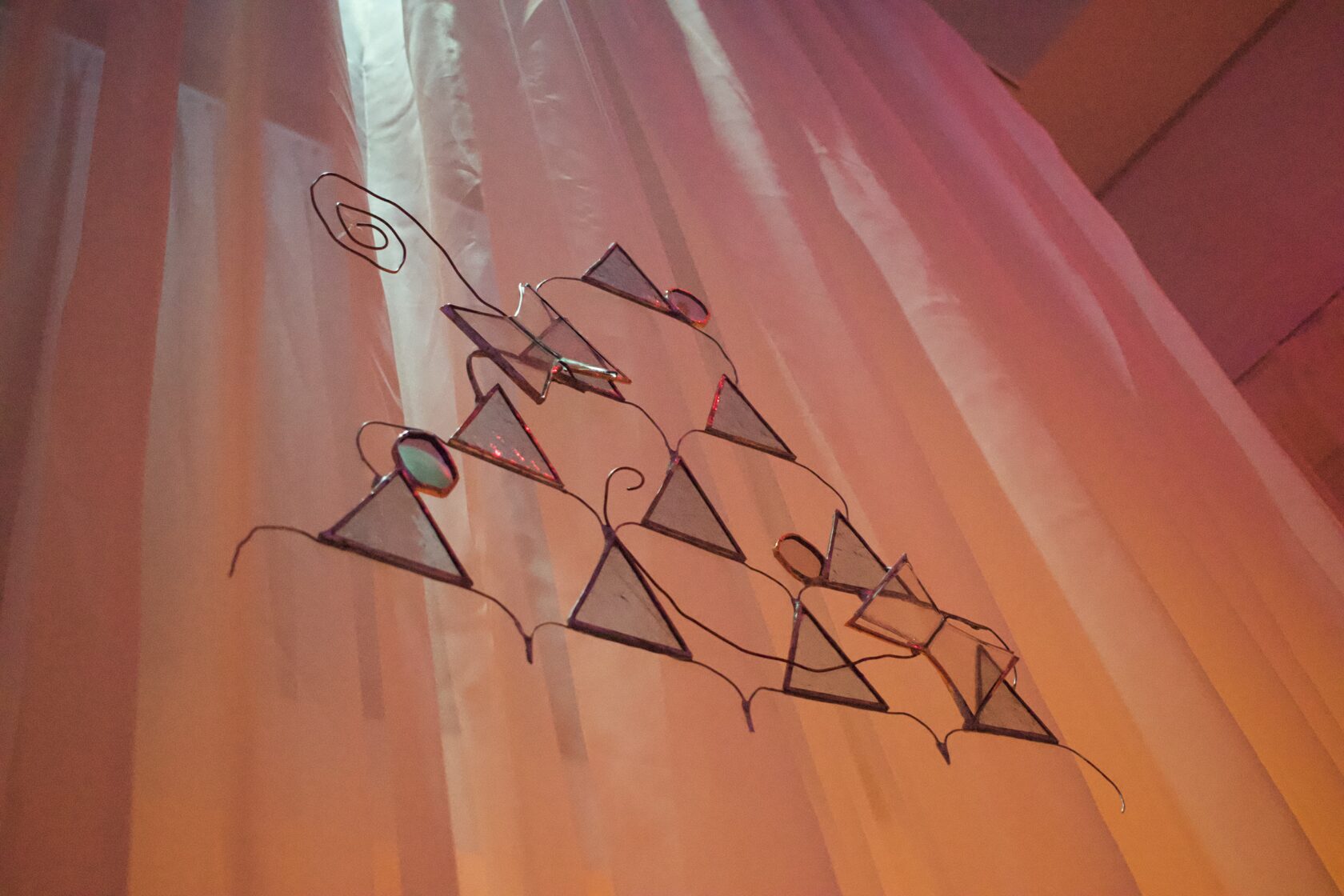
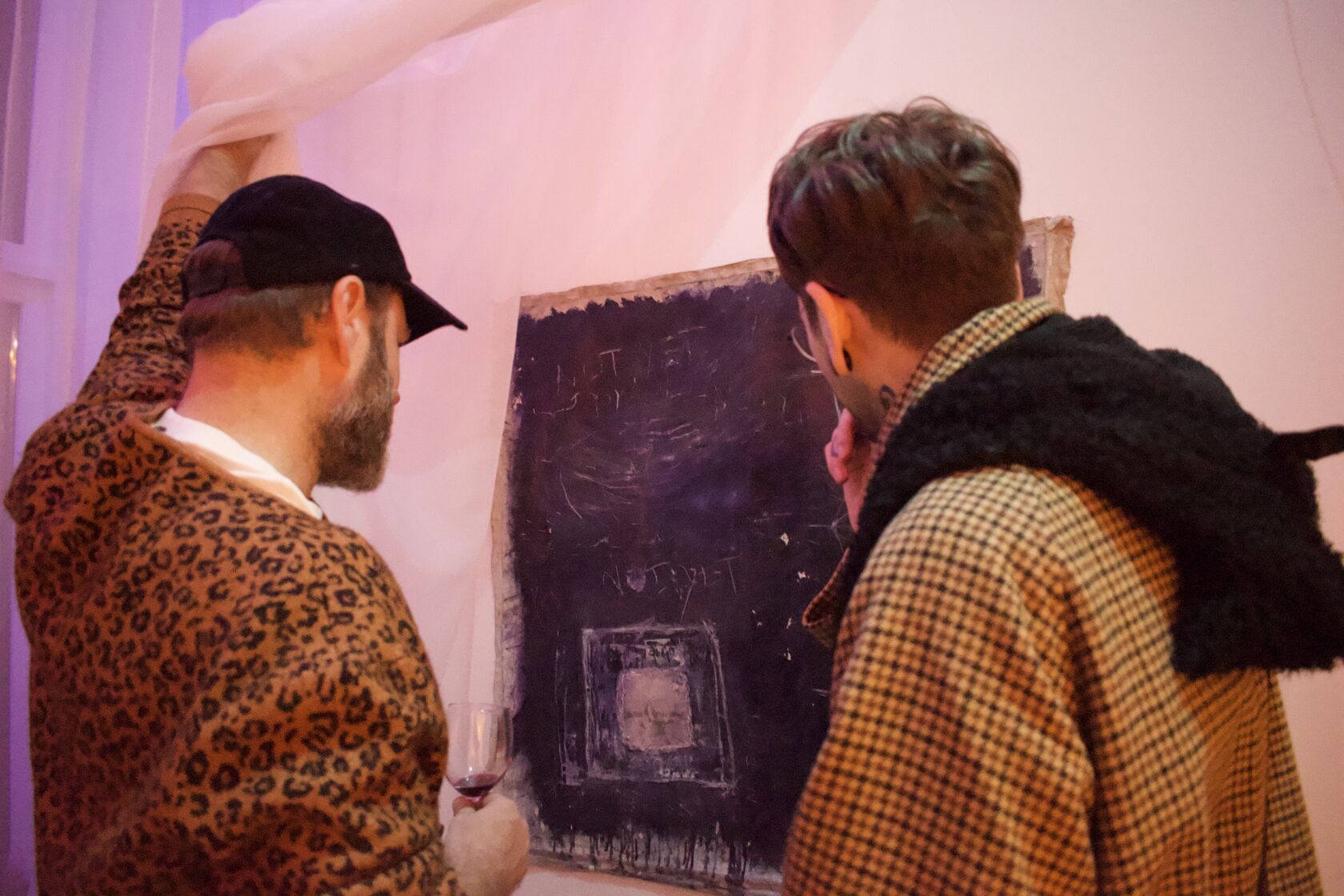
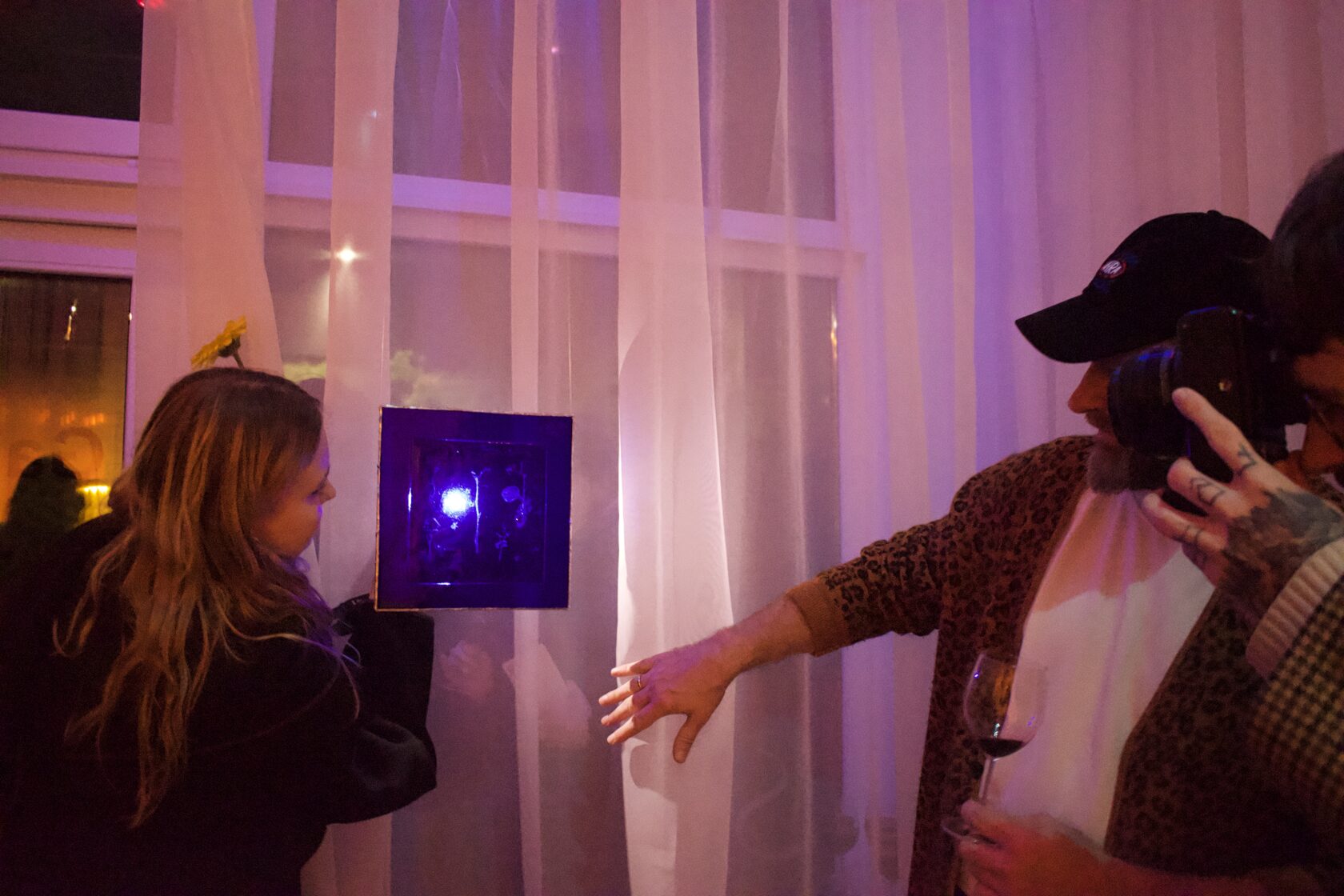
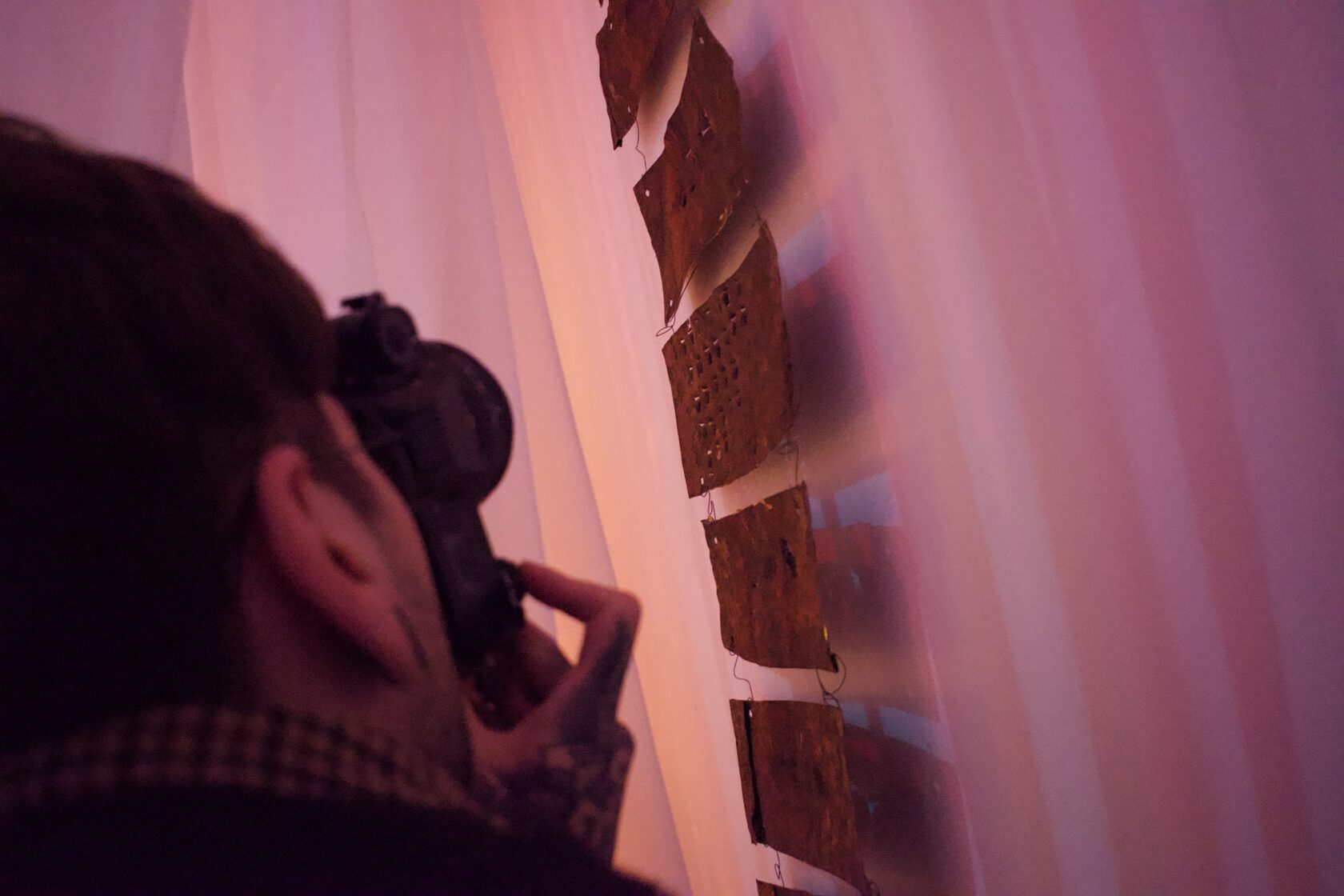
At the center of the exhibition lies Čiurlionis’s
symphonic poem “The Sea” (1907). This work has been divided into seven parts,
each assigned to a Ukrainian artist, along with a musical note and a color.
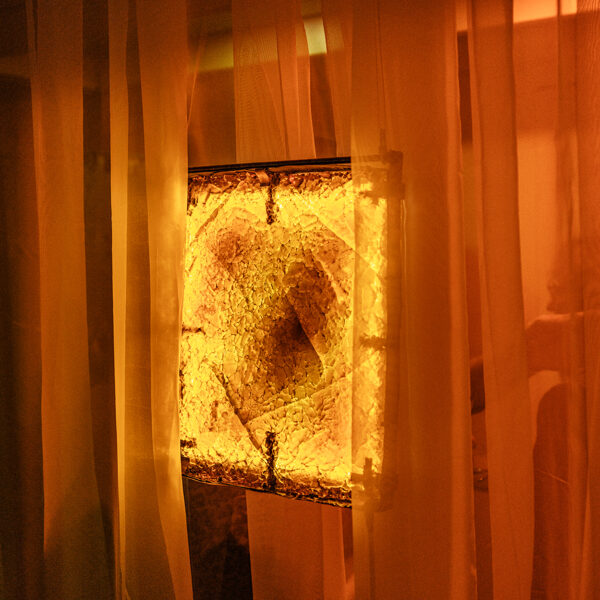
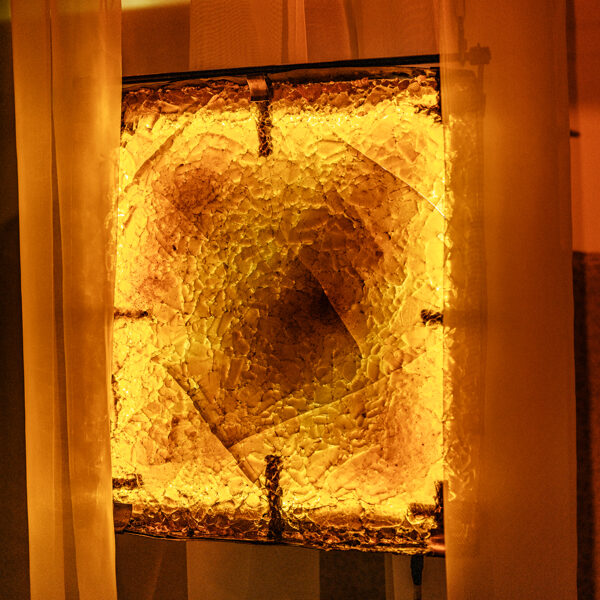
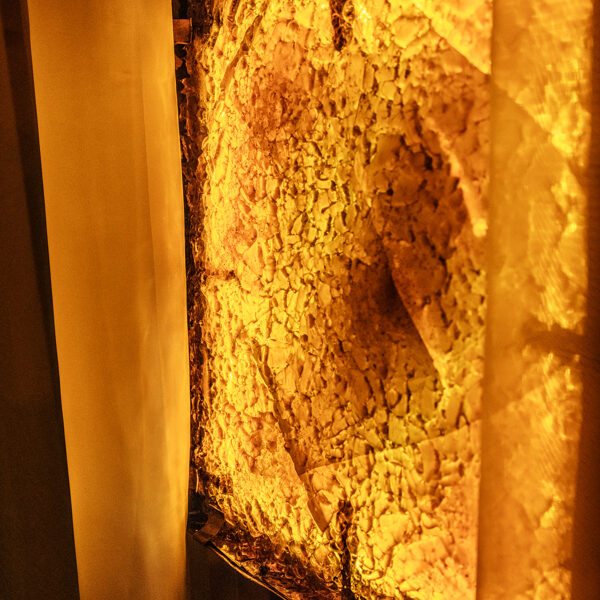
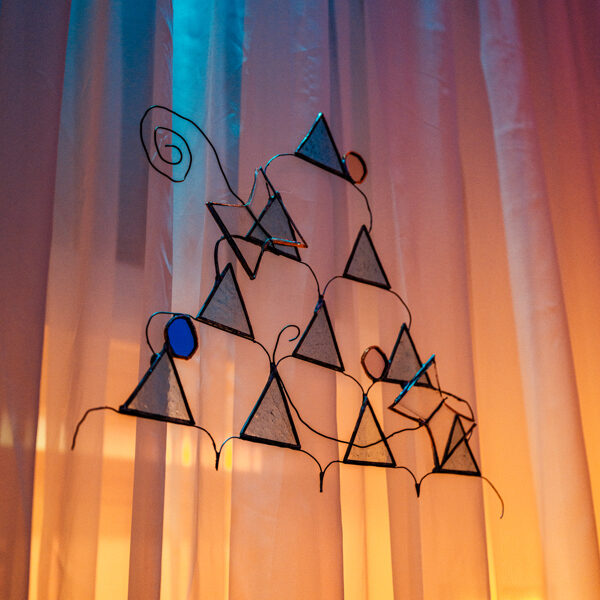
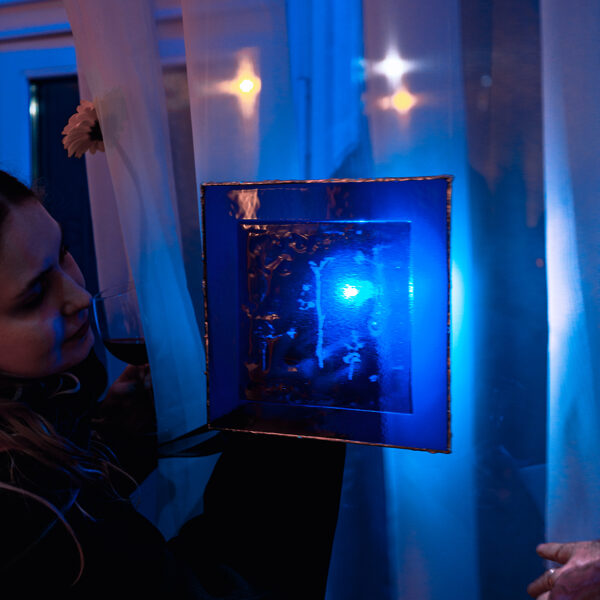
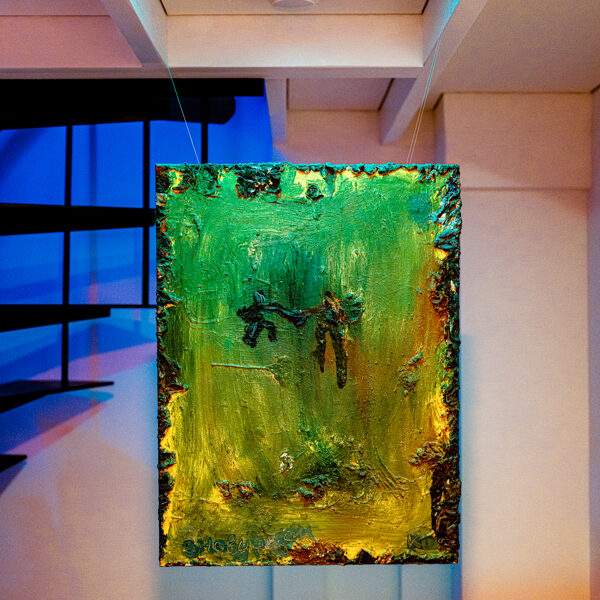
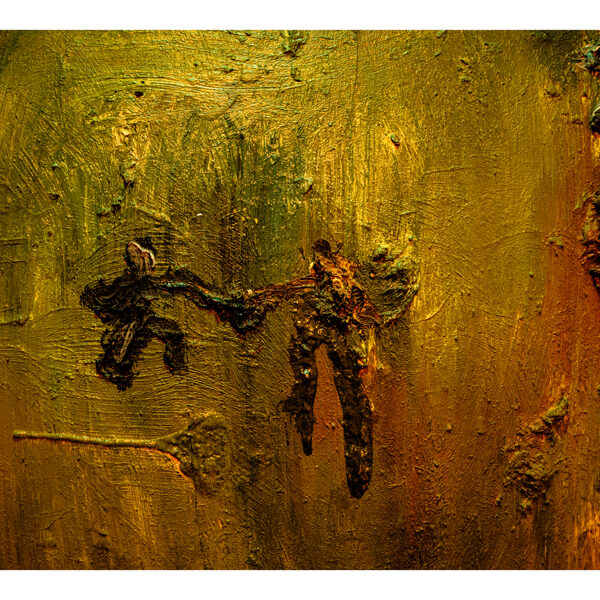
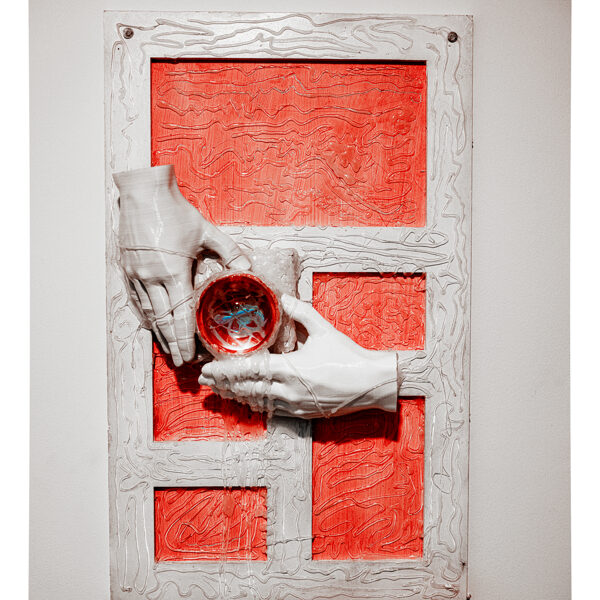
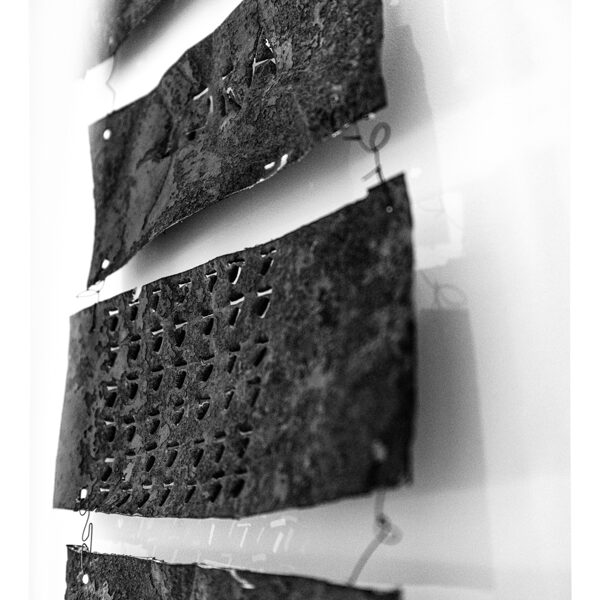
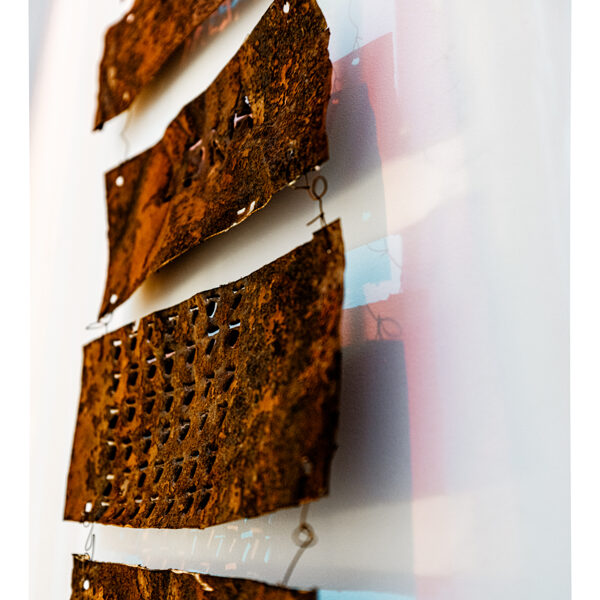
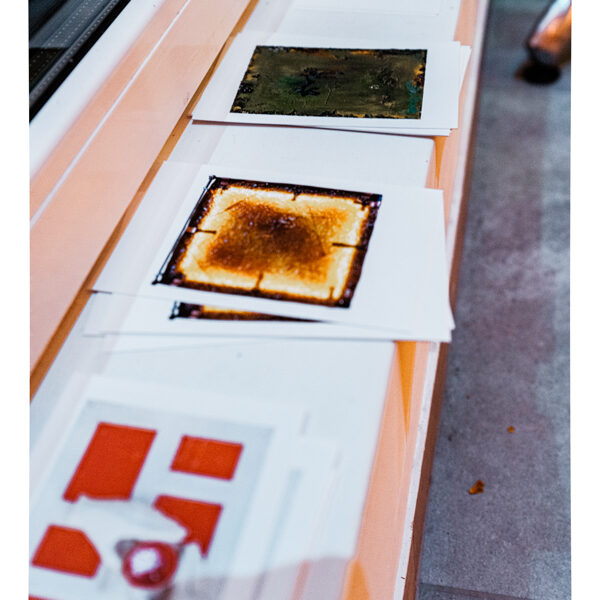
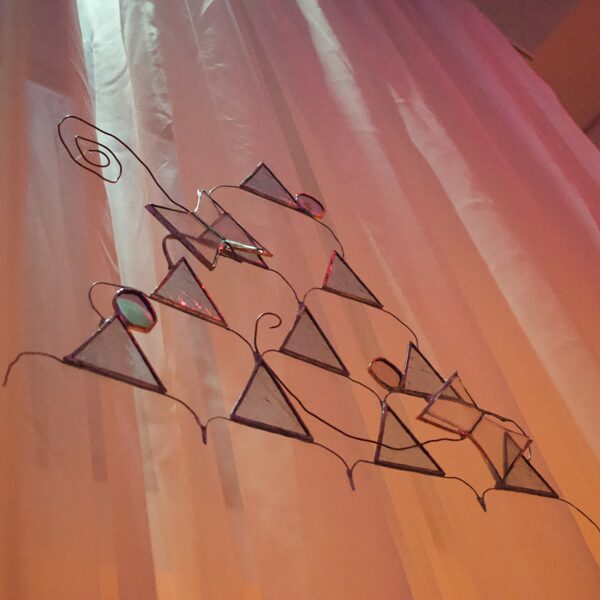
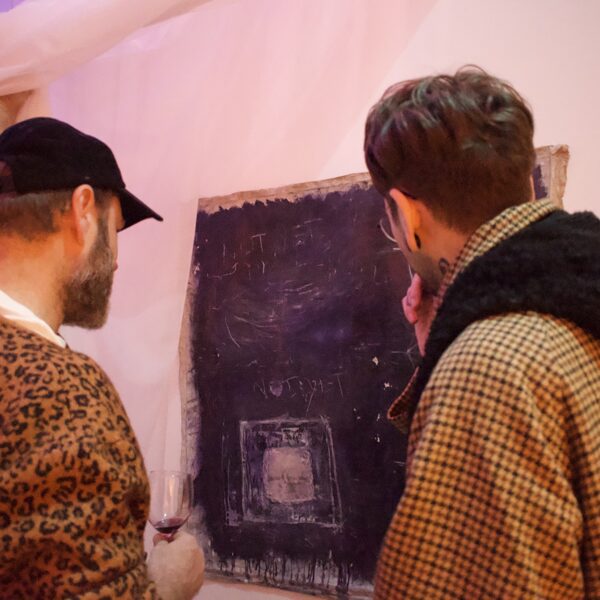
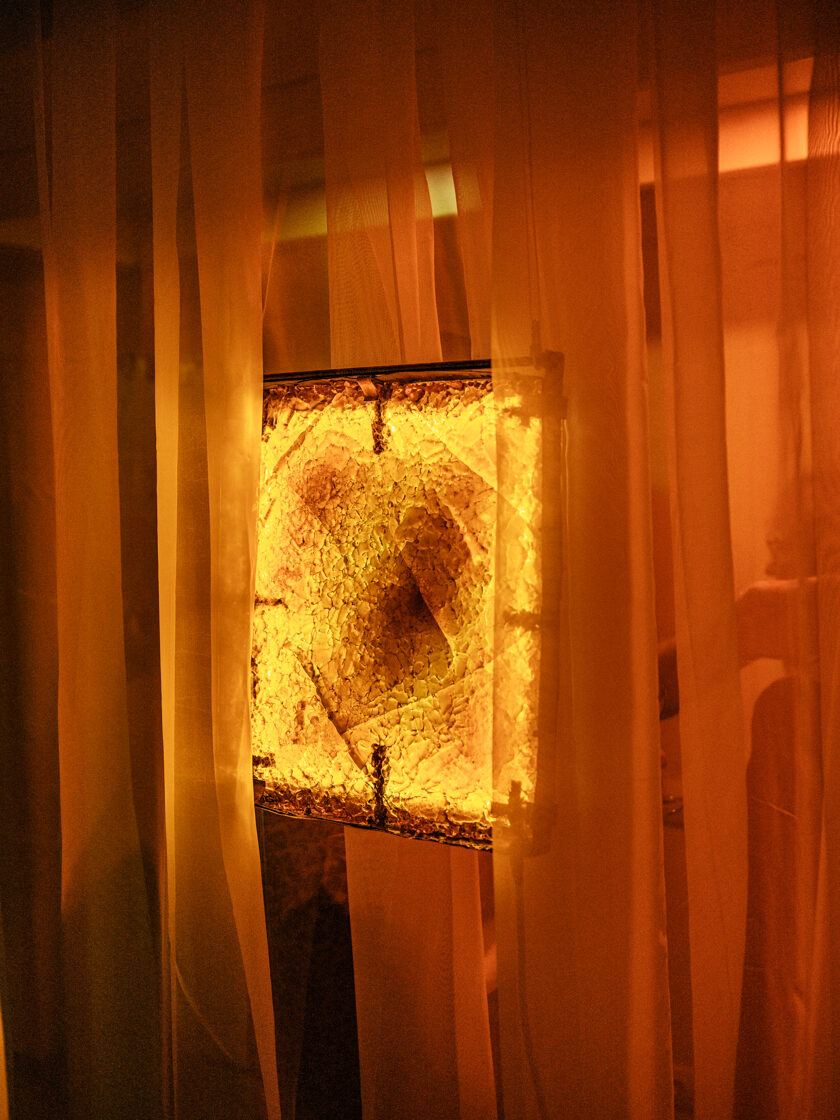
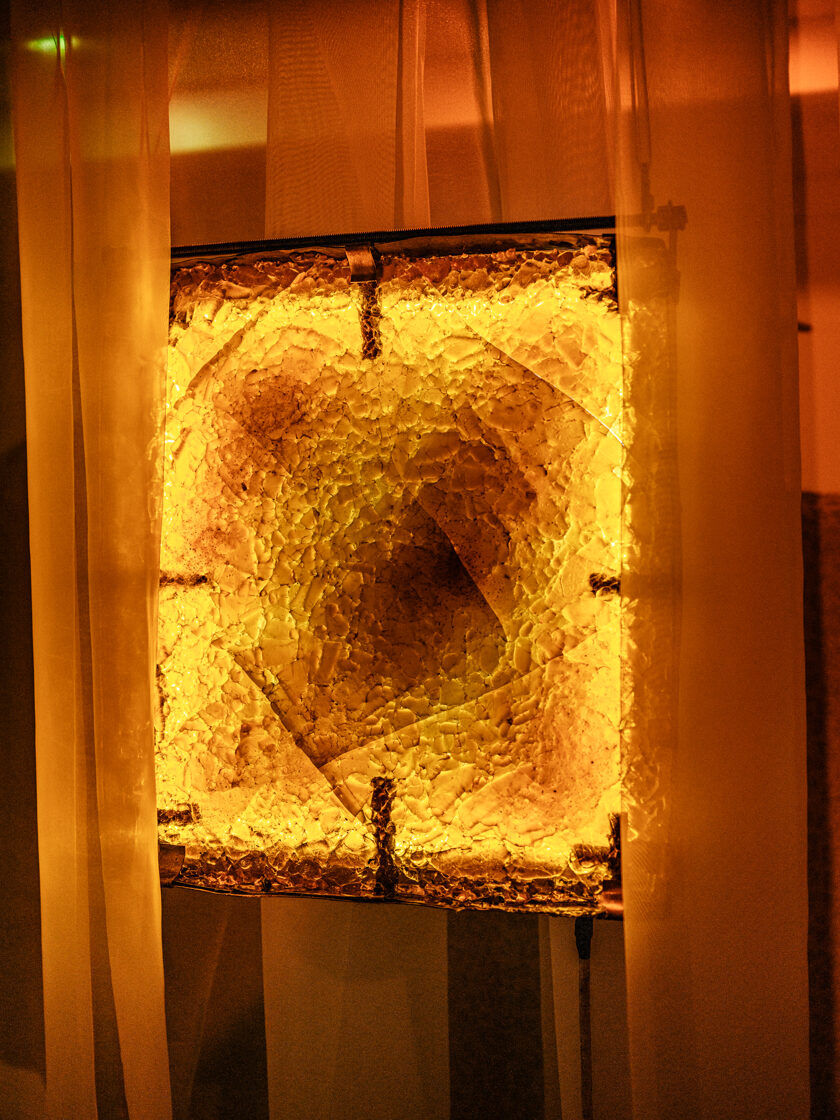
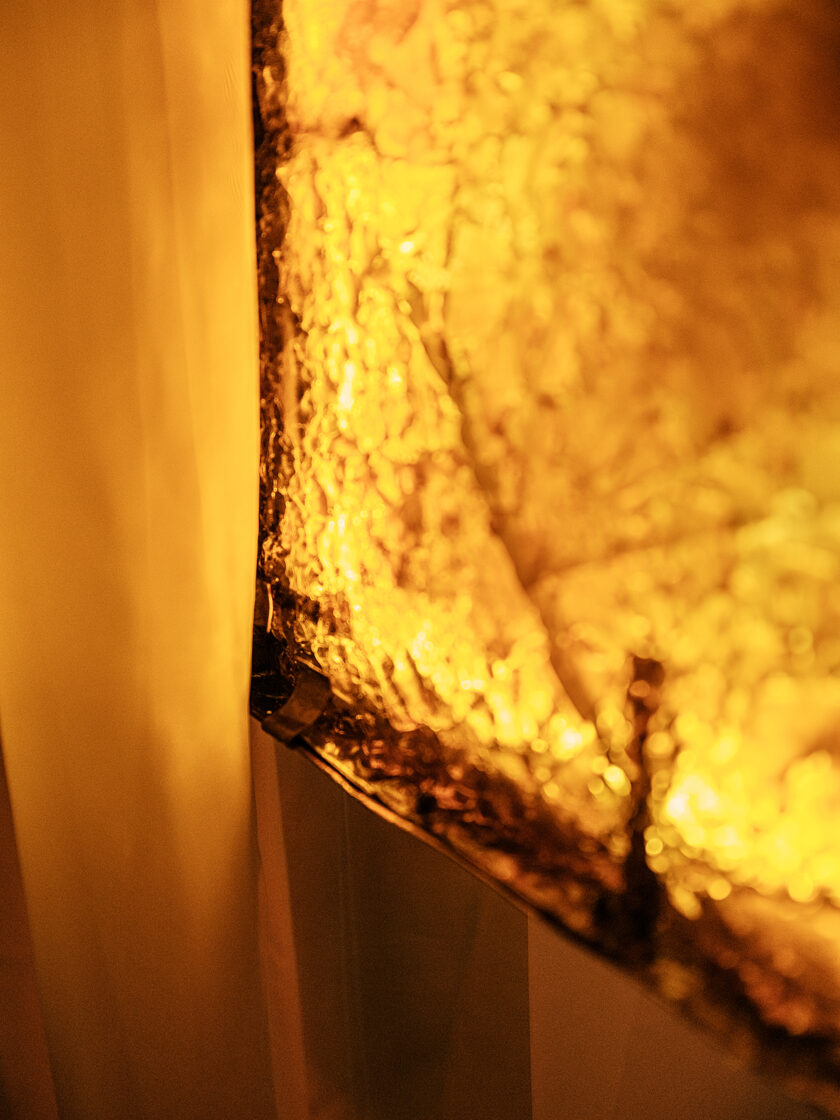
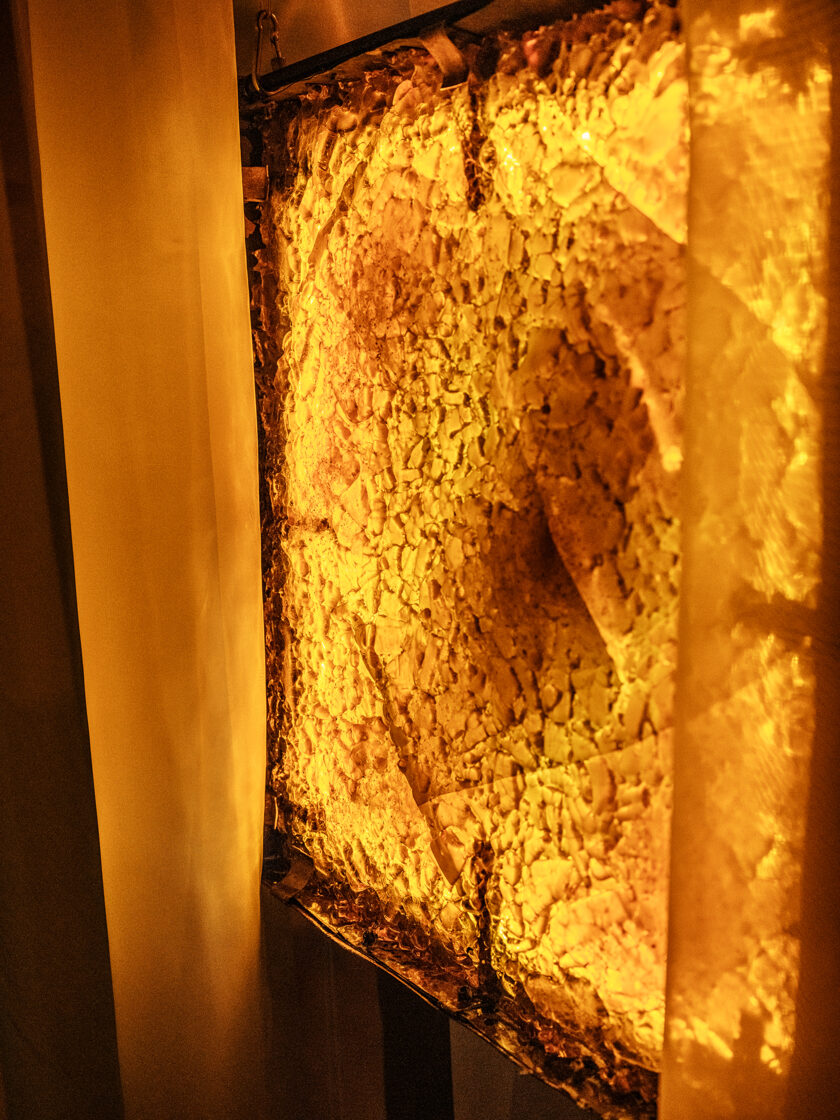
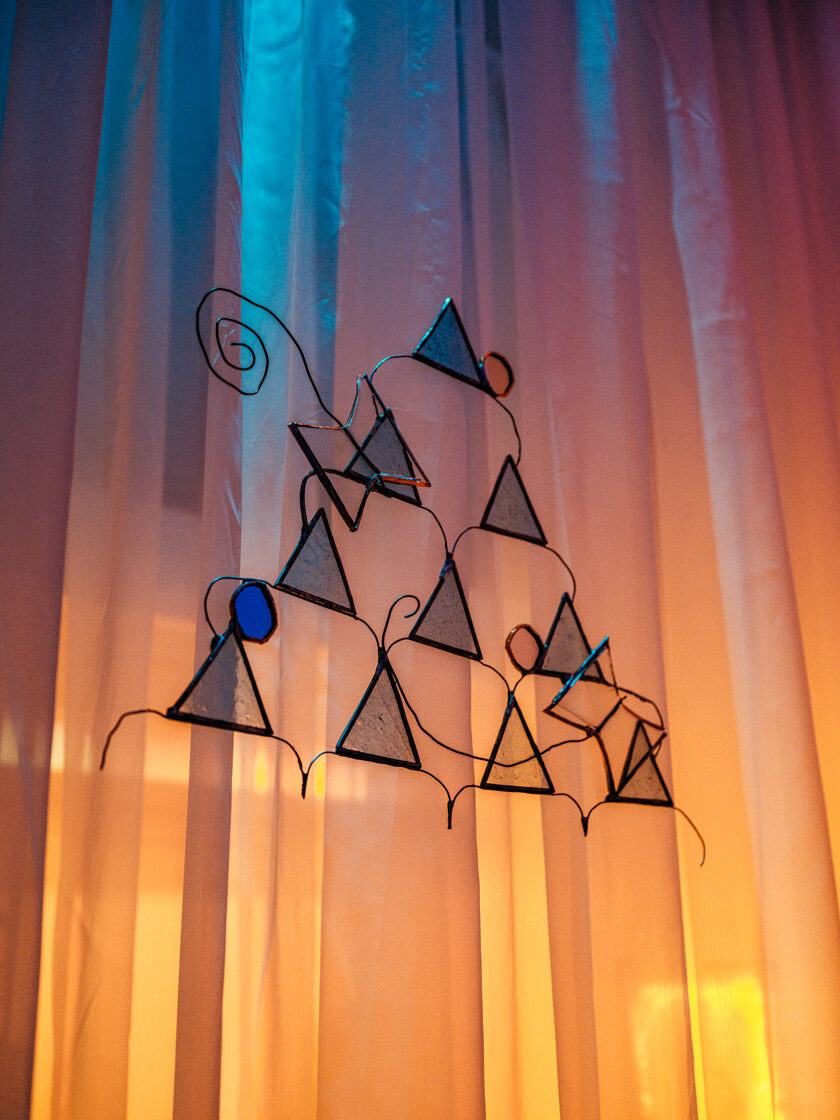
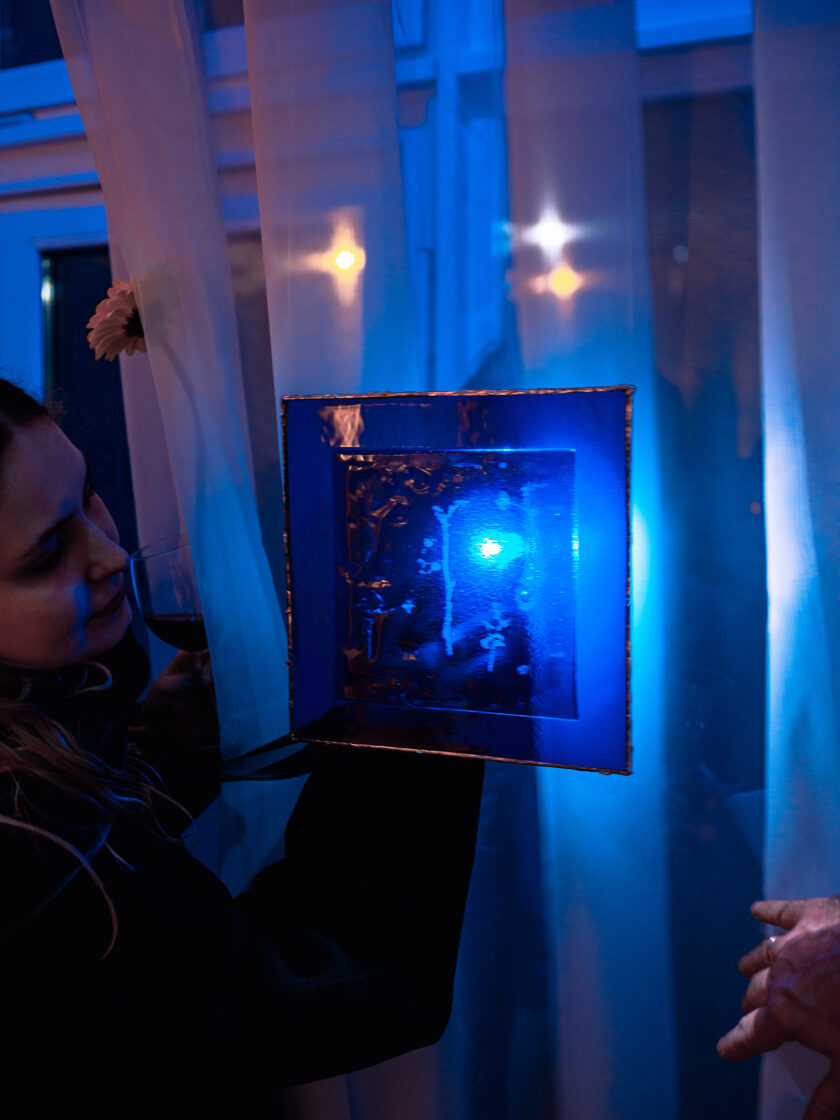
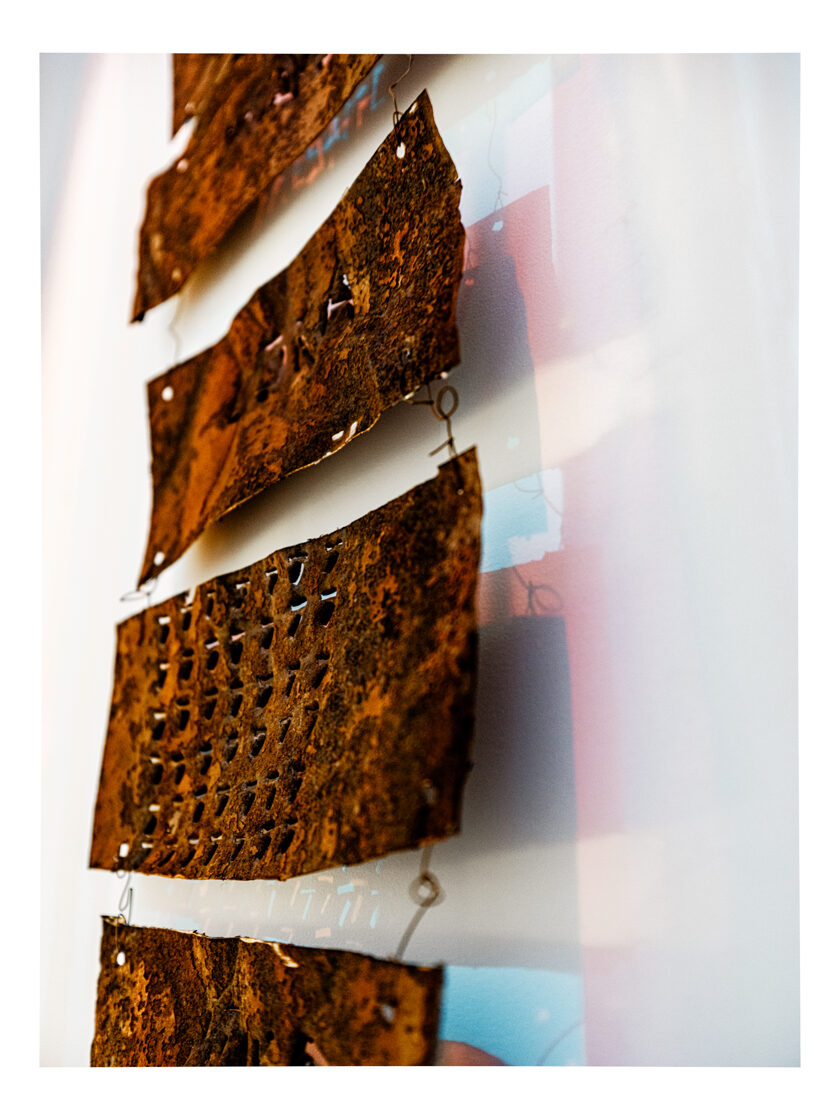
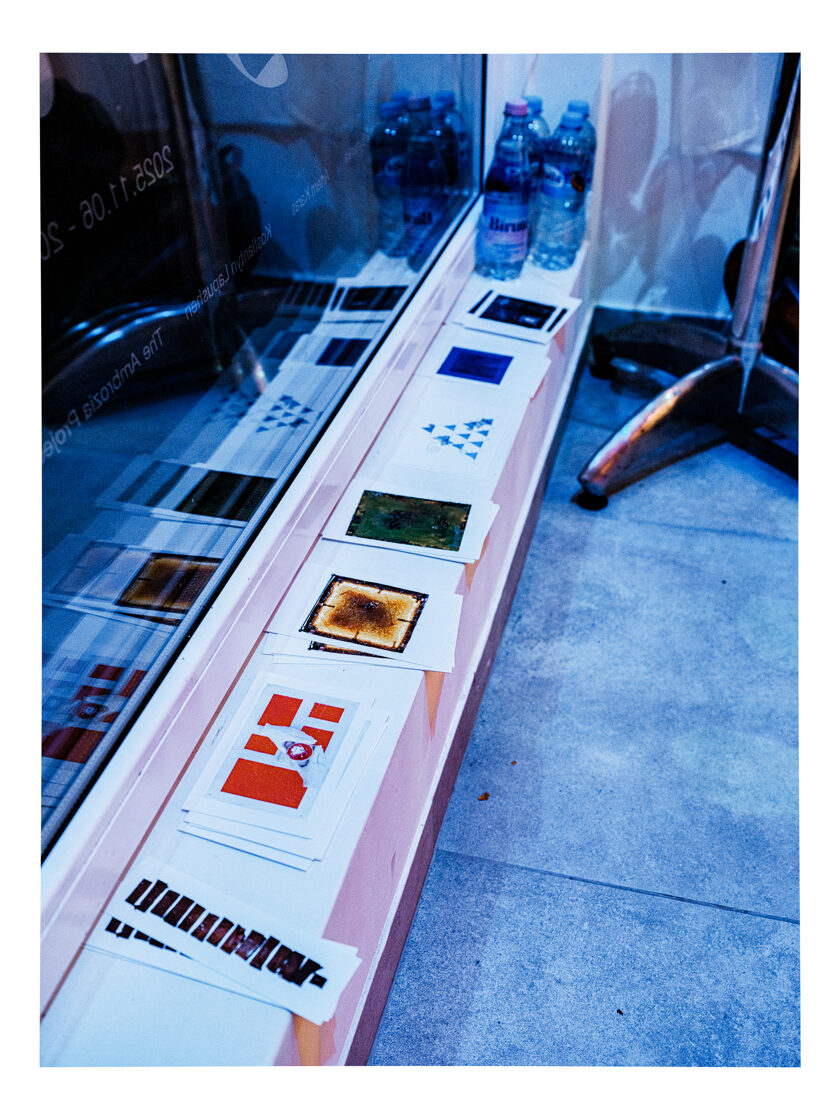
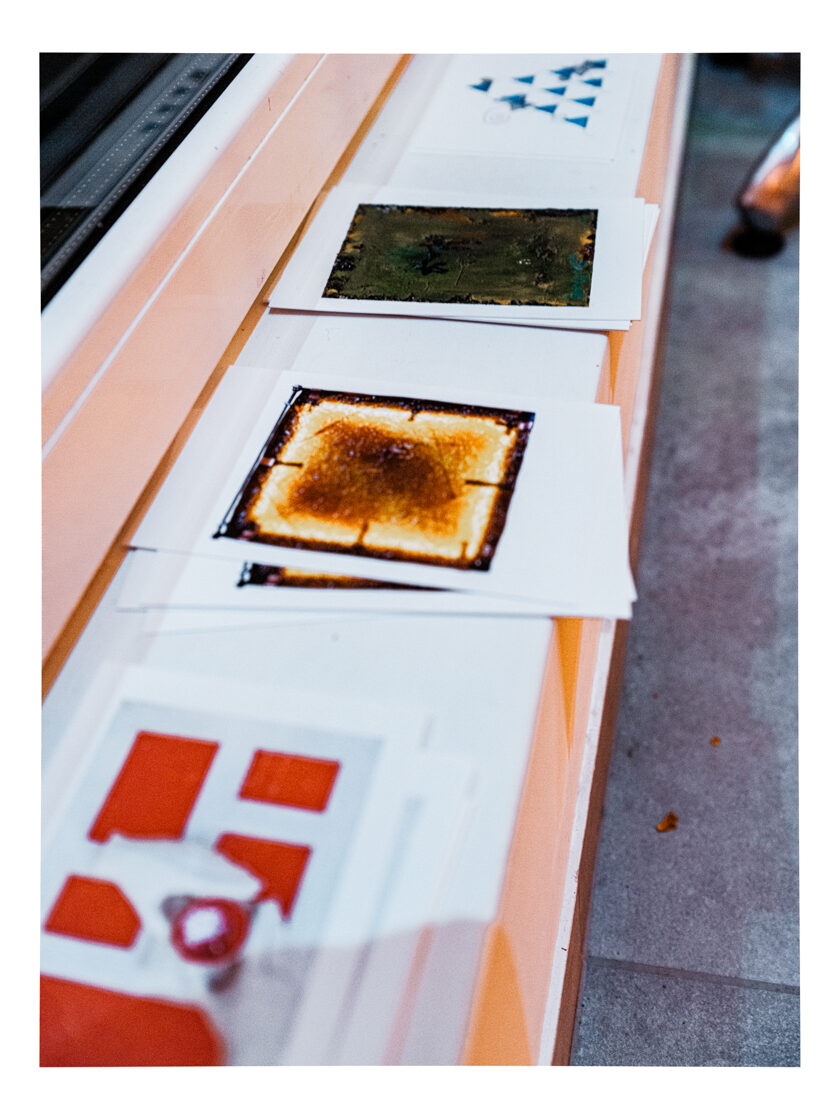
Each artist worked in monochrome, listening to their fragment of the music as a
space for inner vision. From this process emerged seven distinct visual states
— from introduction to finale, from silence to storm, from wave to calm.
The choice of the number seven is deliberate. It echoes
the seven notes of the musical scale, seven colors of the visible spectrum, and
seven sections of the symphony — a symbolic structure of completeness and
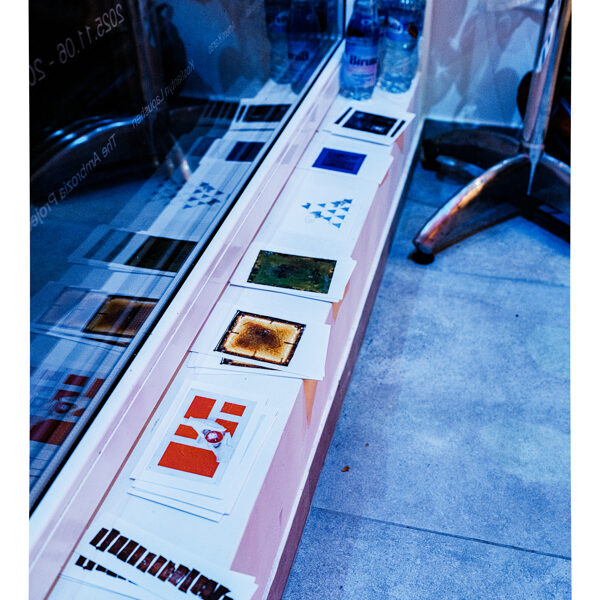
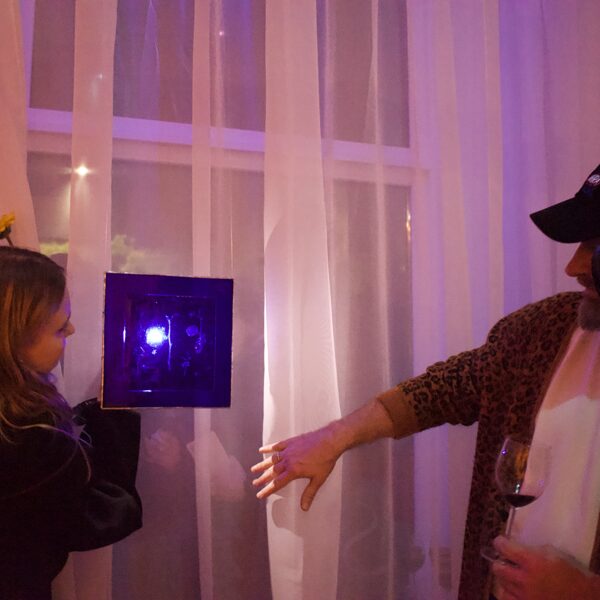
harmony. During the exhibition, the works are arranged according to the color
spectrum (from red to violet), the musical notes (from C to B), and the
chronological sequence of the symphonic fragments (from first to last). In this
way, the visitor experiences a visual symphony, where music, color, and
artistic vision converge into a unified rhythm of perception.
Artists: Andrii Fisher, Artem Karas, Maria Isaeva,
Veronika Synenka, Kostiantyn Lapushen, Taisiia Karas, The Ambrozia Project
Curator: Veronika Synenka






Cart
Cart is empty.